The Ultimate Guide to Choosing the Right Commercial Kitchen Hood for Your Restaurant
When it comes to establishing a successful restaurant, one of the most critical components often overlooked is the selection of the right Commercial Kitchen Hood.
According to industry reports, approximately 80% of kitchen-related fires are caused by grease build-up, making the hoods not only essential for ventilation but also for safety and compliance with health regulations.
A well-chosen Commercial Kitchen Hood not only ensures that harmful smoke and odors are effectively removed, but it also plays a vital role in maintaining proper air quality, which enhances the overall dining experience.
The National Fire Protection Association (NFPA) reports that kitchens equipped with effective exhaust systems are significantly less likely to encounter fire hazards.
This guide aims to demystify the process of selecting the perfect Commercial Kitchen Hood tailored to your restaurant’s specific needs, ensuring both safety and efficiency in your culinary environment.

Types of Commercial Kitchen Hoods and Their Benefits
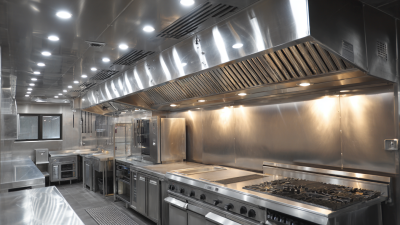
When selecting a commercial kitchen hood, it’s essential to understand the various types available and their specific benefits. The three most common types are Type I hoods, Type II hoods, and canopy hoods. Type I hoods are designed for cooking appliances that produce grease-laden vapors, such as fryers and grills. They feature fire suppression systems and are essential for maintaining indoor air quality and compliance with safety codes.
On the other hand, Type II hoods cater to appliances that produce heat but not grease, making them suitable for operations like dishwashing and baking. They often come with lower installation costs and simpler designs while still providing necessary ventilation. Canopy hoods are versatile and typically installed above cooking equipment to capture smoke, heat, and steam effectively. Their design helps in improving the overall airflow and ensuring a comfortable working environment for kitchen staff. By understanding these different types, restaurant owners can make informed decisions that align with their culinary operations and regulatory requirements.
Factors to Consider When Choosing a Kitchen Hood
When selecting a kitchen hood for your restaurant, several critical factors come into play that can significantly influence your choice. One of the primary considerations is the hood's size and type, which must align with your kitchen's layout and cooking equipment. An appropriate size ensures effective ventilation and helps maintain safety standards. For instance, a canopy hood might be suitable for grilling operations, while a downdraft system could work well in limited spaces.
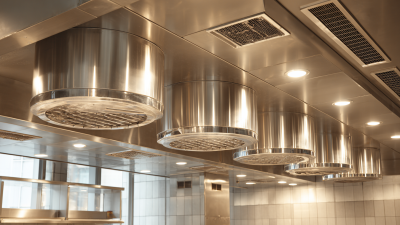
Another essential factor is the hood's ventilation system, which can be either ducted or ductless. Ducted hoods vent air outside, making them ideal for high-temperature cooking environments, while ductless hoods utilize filters to recirculate air. Beyond just the type, considering the noise level of the hood is crucial, especially in a bustling restaurant environment where customer experience is paramount. Additional features, such as lighting and grease filters, should also be assessed to enhance functionality and compliance with health regulations.
The Ultimate Guide to Choosing the Right Commercial Kitchen Hood for Your Restaurant
This chart illustrates the key factors to consider when choosing a commercial kitchen hood for your restaurant. Each factor is represented by its percentage importance based on industry insights.
Comparing Ventilation Types for Optimal Performance
When selecting a commercial kitchen hood, understanding the various ventilation types is vital for ensuring optimal performance. The two primary types of ventilation systems are Type I and Type II hoods. Type I hoods, primarily designed for cooking appliances that produce grease-laden vapors, are essential in kitchens handling frying, grilling, or any food preparation that generates smoke. According to the National Fire Protection Association (NFPA), restaurants with inadequate grease extraction systems face an elevated risk of fire, emphasizing the necessity of robust Type I hoods for safety and compliance.
On the other hand, Type II hoods are intended for use with lighter cooking processes that produce steam, heat, and odors without significant grease. These systems are typically found above dishwashers and pasta cookers. A 2022 report by the Food Service Equipment Reports highlights that 40% of restaurant owners are adopting Type II systems to enhance energy efficiency while maintaining proper air quality. As health codes and environmental standards become stricter, implementing the right ventilation system not only ensures compliance but also significantly impacts kitchen staff comfort and operational efficiency. Choosing the right type of hood ultimately contributes to a sustainable and safe kitchen environment.
Maintaining and Cleaning Your Commercial Kitchen Hood
Maintaining and cleaning your commercial kitchen hood is essential for both safety and efficiency in your restaurant. Regular cleaning prevents grease buildup, which can pose serious fire hazards and lead to health code violations. Ideally, hoods should be cleaned every month, but this frequency may vary based on your kitchen's volume of cooking. Investing in professional cleaning services can ensure thoroughness, but staff should also be trained to perform daily maintenance checks to keep the system functioning efficiently.
In addition to routine cleanings, it’s vital to monitor the filters and duct systems regularly. Replace filters as needed to improve airflow and prevent blockages that could lead to overheating or additional fire risks. Utilize a checklist for daily maintenance tasks, such as inspecting the condition of the hood, checking for oil buildup, and ensuring that the exhaust fan is working properly. By establishing a consistent cleaning and maintenance schedule, you not only prolong the life of your kitchen hood but also enhance the overall safety and cleanliness of your restaurant environment.
The Ultimate Guide to Choosing the Right Commercial Kitchen Hood for Your Restaurant - Maintaining and Cleaning Your Commercial Kitchen Hood
| Feature |
Description |
Maintenance Frequency |
Cleaning Method |
| Type of Hood |
Canopy, Wall-mounted, Under-cabinet |
Monthly Inspection |
Wet/Dry cleaning method |
| Fan Power |
RPM ratings, Energy efficiency |
Quarterly Check |
Lubrication and functional tests |
| Filters |
Grease filters, Charcoal filters |
Weekly Cleaning |
Soak and scrub method |
| Ductwork |
Material types, Size |
Annual Inspection |
Vacuum and clean |
| Fire Suppression System |
Type of system, Compliance |
Bi-annual Testing |
Professional servicing |
Common Mistakes to Avoid When Selecting a Kitchen Hood
When selecting a kitchen hood for your restaurant, it’s easy to fall into common pitfalls that can affect efficiency and safety.
One of the biggest mistakes is underestimating the hood's size.
A hood that is too small won't effectively capture smoke and grease, leading to potential fire hazards and unhealthy air quality.
Always measure your cooking equipment and consider the type and amount of cooking to determine the appropriate hood size.
Another critical mistake is neglecting the hood's ventilation system.
Poor ventilation can cause fumes and odors to linger around the kitchen and dining areas.
Ensure that your ventilation system is suited to the dimensions of your kitchen and can handle the heat generated by your cooking processes.
Also, consider local codes and regulations to avoid compliance issues.
Tips: Always consult with an expert to assess your kitchen's specific needs.
Regular maintenance of the hood is vital as well; clean it frequently to prevent grease buildup and ensure optimal operation.
Additionally, think about the installation location—placing the hood directly over the cooking equipment can enhance its effectiveness.