Top 10 Kitchen Extractor Hoods for Efficient Cooking and Odor Control
When it comes to creating a pleasant and efficient cooking environment, one of the most essential kitchen appliances is the Kitchen Extractor Hood. This device plays a crucial role in maintaining clean air by effectively removing smoke, steam, and odors produced during cooking. With advancements in technology and design, modern kitchen extractor hoods not only enhance air quality but also add a touch of style to your kitchen decor.
Choosing the right kitchen extractor hood can significantly impact your cooking experience and overall kitchen atmosphere. From different types and operating mechanisms to various designs that complement your kitchen aesthetics, the options available can be overwhelming. However, understanding the key features and benefits of an efficient kitchen extractor hood can make the selection process easier. In this guide, we will explore the top 10 kitchen extractor hoods that stand out for their performance, energy efficiency, and user-friendly features, ensuring that you can enjoy a smoke-free cooking environment.
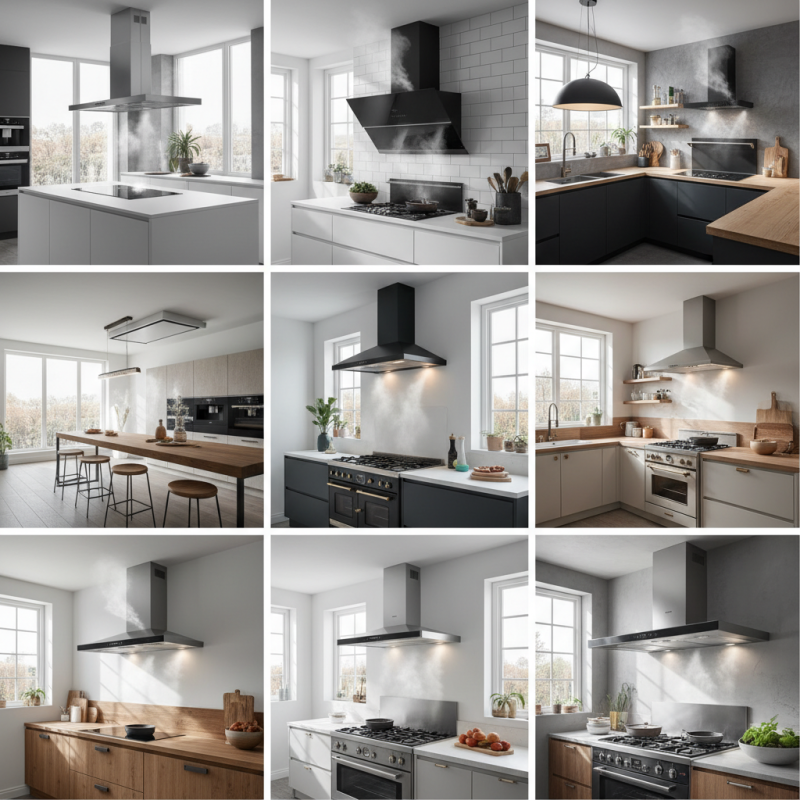
Top Considerations for Choosing Kitchen Extractor Hoods
When selecting a kitchen extractor hood, several key considerations can significantly enhance both its performance and usability. First and foremost, the size of the hood should match the dimensions of your cooking area. Ideally, it should be at least as wide as your cooktop to ensure optimal air capture and efficient odor and smoke removal. Additionally, consider the height at which the hood is installed; it should be positioned between 24 to 30 inches above the cooking surface for best results, balancing effectiveness with safety.
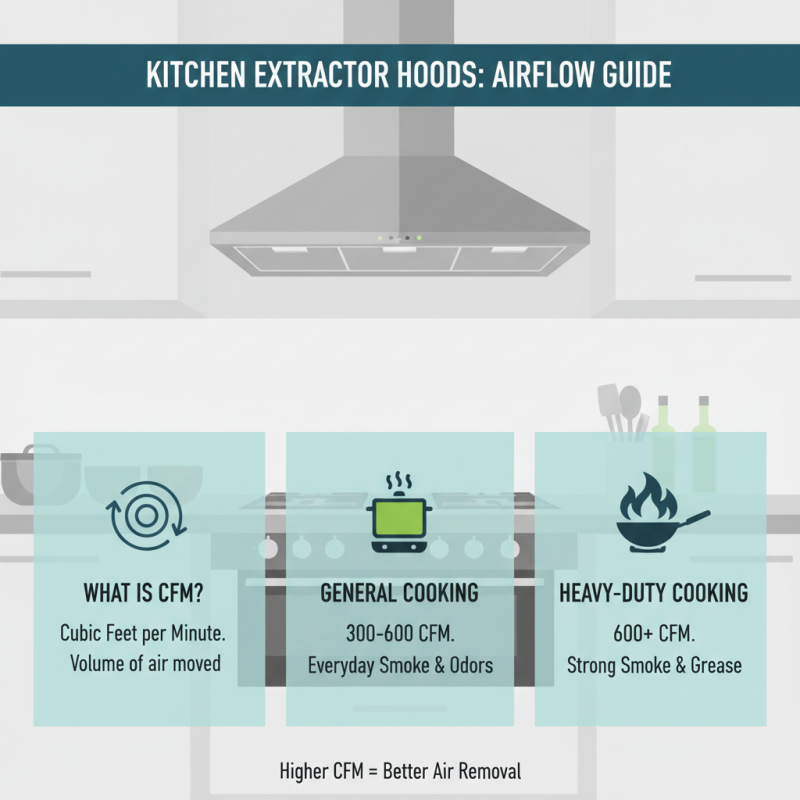
Another important factor to consider is the extraction power, typically measured in CFM (cubic feet per minute). A higher CFM rating indicates a more powerful hood, which is particularly essential for kitchens that frequently involve high-heat cooking methods. Assess your cooking habits and choose a hood that can handle the demands of your culinary activities. Noise level, often expressed in sones, is also key; a quieter model can make for a more pleasant cooking environment without the distraction of excessive noise.
Finally, the type of ventilation system should not be overlooked. There are recirculating hoods, which filter air and return it to the kitchen, and ducted hoods that vent air outside. Ducted systems are generally more efficient for odor and smoke removal, but they require proper installation and possibly renovations. Evaluate the layout of your kitchen and your preferences to determine which style will best suit your needs. By keeping these considerations in mind, you can select an extractor hood that elevates your cooking experience while maintaining a fresh and comfortable environment.
Understanding Extraction Rates: Airflow Measurement and Efficiency
When selecting the ideal kitchen extractor hood, understanding extraction rates is crucial. Airflow measurement, typically expressed in cubic feet per minute (CFM), indicates the volume of air the hood can move. A higher CFM rating means more air is drawn out, which is essential when cooking methods produce significant smoke or odors. For general cooking tasks, a rate of around 300-600 CFM is often deemed efficient, while heavy-duty cooking might require hoods with higher airflow capabilities.
Moreover, efficiency is not solely about CFM ratings. The design and technology behind heater extraction systems play a pivotal role in their performance. Modern hoods incorporate various filtration methods, including grease filters and charcoal filters, which capture particulates and odors, ensuring a cleaner kitchen environment. Additionally, energy-efficient models aim to reduce power consumption without sacrificing performance, contributing to both effective odor control and lower utility bills. Understanding these factors will guide you in making an informed decision when installing an extractor hood in your kitchen.
Types of Kitchen Extractor Hoods: Wall-Mounted, Under-Cabinet, and More
When it comes to maintaining a healthy kitchen environment, understanding the various types of kitchen extractor hoods is essential. Wall-mounted hoods remain a popular choice due to their efficient extraction capabilities and elegant design, allowing them to serve as a focal point in any kitchen. According to industry reports, wall-mounted hoods can remove up to 90% of cooking odors and smoke, making them highly effective for home chefs who cook frequently or at high temperatures. Their design typically allows for a range of styles, from modern stainless steel to classic finishes, fitting well with various kitchen aesthetics.
Under-cabinet hoods are another excellent option, providing space-saving solutions for kitchens with limited space. These hoods are installed directly beneath kitchen cabinets and offer strong suction power while being discreetly tucked away. Statistics show that under-cabinet hoods can efficiently ventilate smoke and odor, often reducing airborne grease by up to 80% when used properly. This can significantly improve indoor air quality, making it a sensible choice for many homeowners seeking both functionality and minimal visual clutter.
Tips: When selecting an extractor hood, consider the size of your stove and the kitchen layout to ensure proper airflow. Additionally, regularly changing or cleaning filters can enhance the performance of your hood. Opting for a hood with adjustable fan speeds also allows for flexibility depending on the cooking methods you employ, giving you better control over ventilation during various culinary tasks.
Noise Levels of Extractor Hoods: Decibel Ratings and User Comfort
When choosing a kitchen extractor hood, noise levels are a crucial factor that directly affects user comfort during cooking. The decibel (dB) ratings of these appliances can vary significantly, with most models ranging from 30 dB for quiet operation to over 70 dB at high speeds. Research indicates that noise levels above 60 dB can be distracting and uncomfortable, causing potential stress for users. A study by the Home Appliance Manufacturers Association highlights that around 70% of consumers prioritize noise levels when selecting kitchen ventilation systems. This illustrates the importance of balancing effective air extraction with user comfort.
Moreover, it is essential to consider the implications of continuous exposure to high noise levels in the kitchen. Prolonged exposure to sounds exceeding 50 dB can lead to auditory fatigue and decreased satisfaction while cooking. Industry reports have shown that extractor hoods designed with noise reduction technology maintain decibel levels below this threshold while efficiently removing smoke and odors. For instance, the incorporation of advanced baffle filters and insulated housings can contribute to a quieter operation, demonstrating that brands focused on creating a pleasant cooking environment are gaining traction among consumers. By prioritizing low noise levels, these extractor hoods not only enhance operational efficiency but also improve the overall culinary experience.
Maintenance Tips for Prolonging the Life of Your Extractor Hood
Proper maintenance of your kitchen extractor hood is essential for ensuring its efficiency and extending its lifespan. One of the most important aspects of upkeep is regularly cleaning the filters. Depending on your cooking frequency, these should be cleaned or replaced every one to three months. A build-up of grease and grime not only affects the hood's performance but can also lead to unpleasant odors lingering in your kitchen.
Another crucial maintenance tip is to keep the exterior of the extractor hood clean. Wiping down the surface with mild soap and water will help remove any splatters or residue that may accumulate over time. Avoid using harsh chemicals that could damage the finish. Additionally, checking the fan and motor functions periodically can prevent unexpected failures. If you notice unusual noises or decreased suction power, it may be time to consult a professional technician.
Lastly, ensure that the ductwork connected to your extractor hood is regularly inspected and maintained. Blockages in the ducts can diminish the efficiency of the unit and lead to moisture buildup, which can cause mold growth. By adhering to these maintenance tips, you can enhance the functionality of your kitchen extractor hood and enjoy a cleaner, fresher cooking environment.