Top 10 Kitchen Exhaust Fans You Need for Your Home?
In modern kitchens, a Kitchen Exhaust Fan is not just a convenience; it’s essential. Cooking often creates steam, smoke, and odors that can linger. Without proper ventilation, your kitchen becomes uncomfortable. Investing in a quality Kitchen Exhaust Fan can significantly improve air quality. It helps to eliminate unwanted smells and moisture.
However, choosing the right fan can feel overwhelming. With numerous options available, it’s easy to make mistakes. You might overlook factors like size, power, and efficiency. A fan that’s too small won’t effectively clear the air. Meanwhile, one that’s too powerful may create excessive noise.
Your kitchen deserves a fan that fits your needs. This isn’t just about aesthetics; it's about functionality. Reflecting on these aspects is crucial for your cooking environment. In this guide, we’ll explore the top ten Kitchen Exhaust Fans you need for your home. Each option is designed to help create a fresh and inviting space.
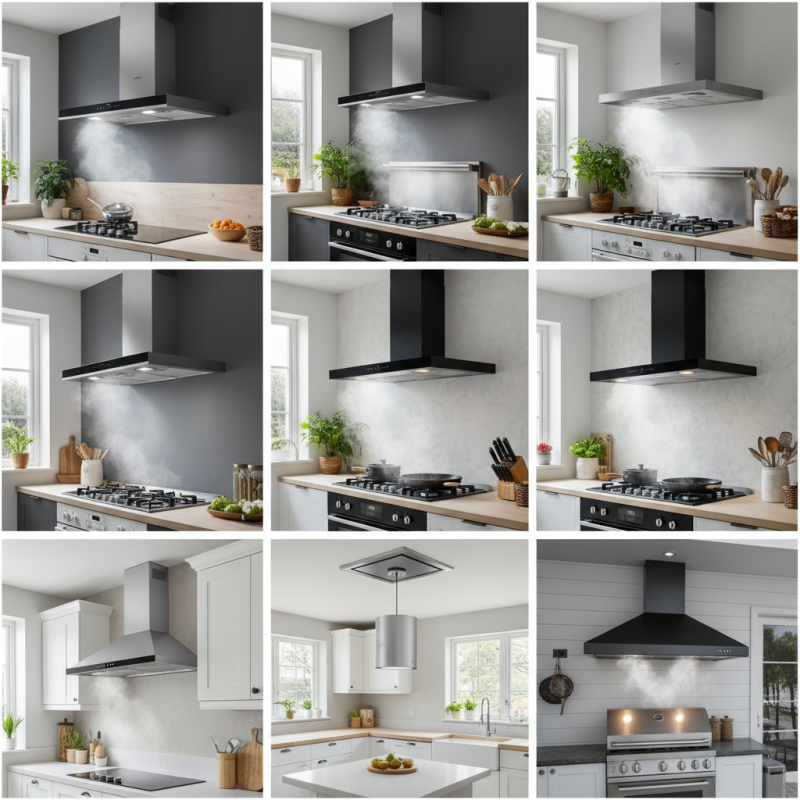
Understanding Kitchen Exhaust Fans and Their Importance
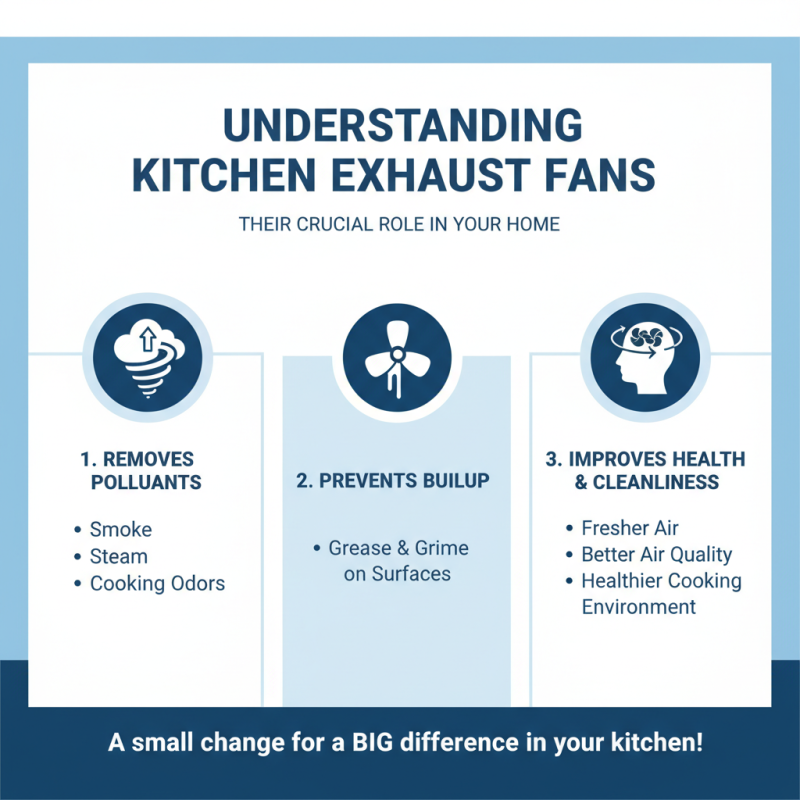
Kitchen exhaust fans play a crucial role in any home. They remove smoke, steam, and odors generated while cooking. This not only keeps the kitchen air fresh but also prevents greasy buildup on surfaces. A good exhaust fan improves air quality and provides a healthier cooking environment.
Choosing the right fan is important. Consider the size of your kitchen and the power of the fan. Some fans may be too noisy for a comfortable cooking experience. You might also notice that installation can be tricky. A poorly installed fan decreases its efficiency. Ensure professional installation if you are unsure.
Many homeowners overlook the importance of regular maintenance. Cleaning filters regularly will keep the fan performing well. Neglected fans can accumulate dirt and unpleasant smells. It’s a simple step that can improve your kitchen experience. Reflect on your current setup and see if improvements are needed. A well-ventilated kitchen enhances both comfort and safety.
Types of Kitchen Exhaust Fans: Options for Every Home
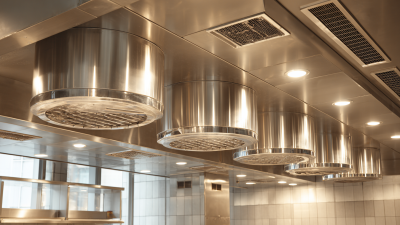
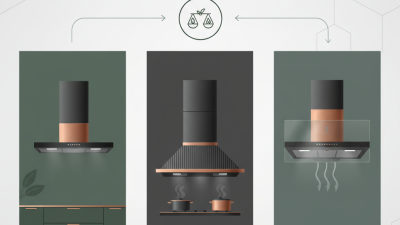
Kitchen exhaust fans come in various types to suit different home needs. Wall-mounted fans are common in many kitchens. They efficiently remove smoke and odors from cooking. These fans often have powerful motors, ensuring rapid air circulation. However, they can be noisy, which might disrupt conversations during meals.
Under-cabinet exhaust fans are another option. They fit discreetly beneath cabinets, saving space while providing ventilation. Many feature sleek designs that blend with kitchen aesthetics. However, they may not be as powerful as their wall-mounted counterparts. Homeowners should consider the size of their kitchen and cooking habits when choosing.
Island range hoods are stylish and functional, hanging above kitchen islands. These fans offer a statement piece to any kitchen. They effectively capture steam and grease from the cooking area. Yet, installation can be complicated, often requiring professional help. Homeowners might feel overwhelmed by that extra step. Evaluating the layout of your kitchen is crucial in making the right choice.
Top 10 Kitchen Exhaust Fans You Need for Your Home
This chart represents the airflow capacity (CFM - cubic feet per minute) of various types of kitchen exhaust fans suitable for home use. The data is based on common specifications and performance ratings.
Key Features to Look for When Buying an Exhaust Fan
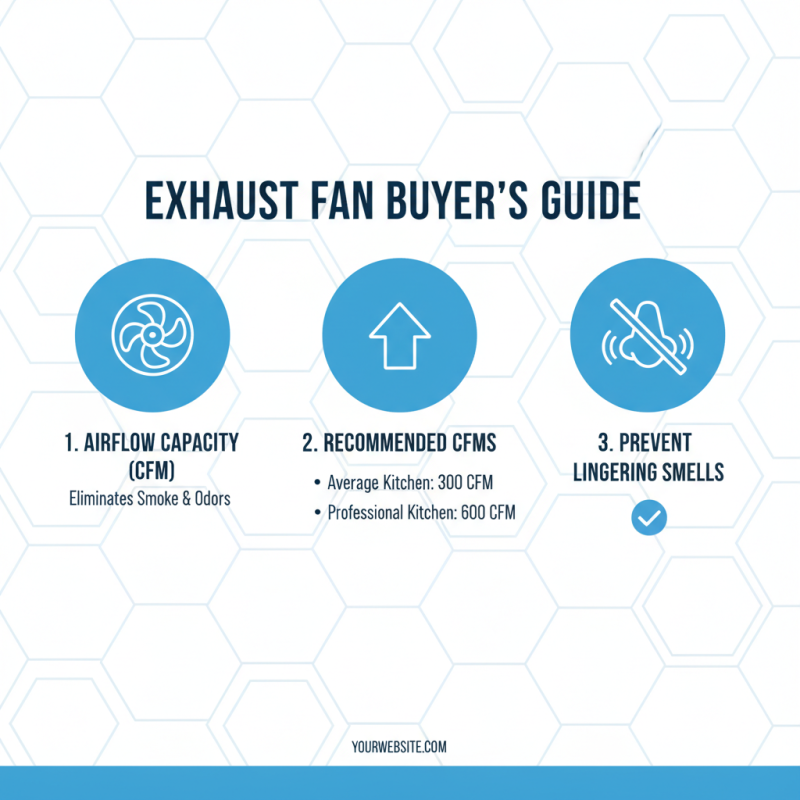
When selecting kitchen exhaust fans, it's essential to consider a few critical features. The airflow capacity, measured in cubic feet per minute (CFM), is vital. A powerful fan can eliminate smoke and odors efficiently. Industry standards suggest 300 CFM for average kitchens and up to 600 CFM for professional cooking environments. Choosing the right CFM can prevent lingering smells after cooking.
Another crucial aspect is noise level. Fans are measured in sones, with lower values indicating quieter operation. A fan rated around 1-3 sones is ideal for a home kitchen. Interestingly, a quieter fan often leads to more comfortable cooking experiences. However, find a balance between noise and performance to ensure the fan works effectively without disrupting your peace.
**Tip:** Ensure the fan is easy to clean. A removable grease filter simplifies maintenance. Regular cleaning enhances efficiency and prolongs the fan's life. It’s easy to overlook this aspect, but a neglected fan can accumulate grime and reduce performance. Air quality matters, and a well-maintained exhaust fan can significantly improve it.
When evaluating options, consider the fan's installation type. Wall-mounted or under-cabinet models offer flexibility. Ensure you factor in your kitchen layout. Improper placement leads to decreased efficiency. Experiment with locations before finalizing to optimize air circulation.
Top 10 Kitchen Exhaust Fans: Features and Benefits
When considering kitchen exhaust fans, understanding their features and benefits is crucial. A well-designed exhaust fan effectively removes smoke, odors, and excess humidity. According to industry reports, poor ventilation can increase indoor air pollution by 2 to 5 times. This highlights the importance of having a proper exhaust system in your kitchen.
Efficient fans can reduce cooking-related health risks. They help maintain a comfortable temperature while cooking. Many models feature multiple speed settings and built-in lighting, enhancing usability and convenience. Additionally, some fans include grease filters that improve air quality by capturing harmful particles.
Tip: Always check the fan's airflow rating, measured in CFM (cubic feet per minute). A higher CFM rating means better airflow. For average kitchens, aim for at least 300 CFM.
Comfort is another key feature. Some fans operate quietly, preventing distractions during meal prep. However, don't overlook the installation requirements. Improper installation may lead to less effective airflow and energy waste.
Tip: Regularly clean filters to maintain efficiency. Clogged filters decrease airflow and increase noise levels. Balancing noise, efficiency, and installation will enhance your cooking experience.
Installation and Maintenance Tips for Kitchen Exhaust Fans
Proper installation and maintenance of kitchen exhaust fans are essential for optimal performance. According to the Environmental Protection Agency, a well-maintained exhaust fan can reduce airborne pollutants by up to 50%. This is crucial, especially in kitchens, where smoke and grease can accumulate quickly. When installing, ensure the fan is mounted at least 24 inches above cooking surfaces. This height prevents grease deposits on the fan and improves ventilation efficiency.
Regular cleaning is vital. A study indicated that neglecting fan maintenance can decrease airflow by 30% over time. It's recommended to clean the fan and its filters every month. Use warm soapy water for non-grease-laden areas and a degreaser for built-up grime. If your fan has a duct, check it for blockages regularly. An obstructed duct can reduce cooling efficiency and create backdrafts.
Noise is another concern. Many homeowners underestimate the sound level of their exhaust fans. It's important to choose a fan with a lower sones rating for quieter operation. If your fan starts making unusual sounds, it might indicate a need for repairs or replacement. Regular inspections can help catch these issues early, preventing costly fixes later.