Top Kitchen Chimney Brands You Should Consider for Your Home?
A kitchen is often the heart of the home. It's where meals are prepared, family gathers, and memories are made. However, cooking can lead to unwanted smoke and odors. This is where a kitchen chimney becomes essential. A good kitchen chimney helps maintain air quality while enhancing your kitchen's design.
Choosing the right kitchen chimney is important. There are many brands available, each with unique features. These brands offer different styles, filters, and suction powers. Some might look stylish but may underperform. Others might be efficient yet noisy. It's essential to find a balance that suits both aesthetics and functionality.
When picking a kitchen chimney, consider your cooking habits. A heavy-duty chimney may be needed for frequent fried food preparation. Don't overlook installation and maintenance needs too. Choosing the wrong brand can lead to regrets later. Consider the long-term benefits of a good kitchen chimney. It plays a key role in your kitchen's environment and overall experience.

Top Features to Look for in Kitchen Chimneys
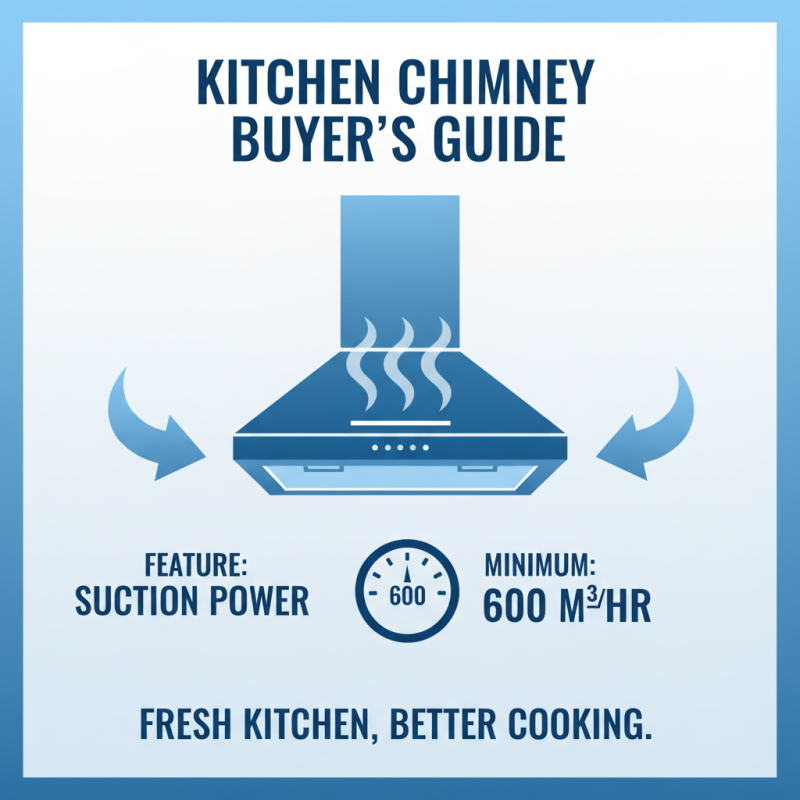
When choosing a kitchen chimney, features matter. One key aspect to consider is suction power. A strong chimney can effectively remove smoke and odors. Look for models with at least 600 cubic meters per hour. This ensures your kitchen stays fresh while cooking.
Another important feature is the noise level. Nobody likes a loud appliance. Many modern chimneys operate quietly. Aim for models with noise levels below 58 decibels. This creates a more pleasant cooking environment.
Ease of cleaning is also vital. Check whether the chimney has removable filters. Some models even offer self-cleaning options. This saves you time and effort, which is always appreciated. It’s easy to overlook maintenance but it’s essential for optimal performance. Consider how often you cook. Then, think about how much cleaning you’re willing to do.
Leading Kitchen Chimney Brands in the Market Today
When selecting a kitchen chimney, various brands stand out in today’s market. Each brand has unique features that cater to different cooking styles. Some focus on powerful suction to eliminate smoke and odors quickly, while others prioritize noise levels, ensuring a quieter kitchen environment. It’s essential to consider your cooking habits when choosing.
Many models come with sleek designs, enhancing kitchen aesthetics. Some offer additional features like built-in lighting and adjustable fan speeds. However, not everyone requires these extras. Budget is another crucial factor. High-end options can be enticing but may not suit everyone’s needs. It’s worth exploring functional models that blend performance and price effectively.
Finding the right chimney isn't just about features. Sometimes, installation can be tricky. It’s easy to overlook this aspect during the decision-making process. Potential buyers should think about the fit in their kitchens. There’s no one-size-fits-all solution. Exploring options can be overwhelming but also rewarding when the perfect match is found.
Top Kitchen Chimney Brands You Should Consider for Your Home
| Brand |
Model |
Extraction Rate (m³/h) |
Noise Level (dB) |
Warranty (Years) |
| Brand A |
Model X |
1200 |
55 |
2 |
| Brand B |
Model Y |
1000 |
60 |
3 |
| Brand C |
Model Z |
1500 |
52 |
5 |
| Brand D |
Model A1 |
900 |
65 |
4 |
Comparative Analysis of Kitchen Chimney Performance
When considering kitchen chimneys, it’s crucial to analyze their performance. Different models offer varied suction power. Some may struggle with smoke from heavy cooking. Others excel, quickly clearing the air. A powerful chimney can make a noticeable difference in your cooking space.
Noise levels are often overlooked. A quiet model can transform your cooking experience. However, some high-performance units can be surprisingly loud. Pay attention to the decibel ratings. Ease of maintenance is another factor. Filters should be easy to clean and replace. Some designs trap grease better, but require more effort to maintain.
Efficiency is key in choosing the right chimney. Look for energy ratings that reflect cost-effectiveness. Some models are more energy-consuming yet offer great performance. It's worth considering how often you'll be using your chimney. Lastly, style matters. Aesthetics should align with your kitchen decor. Yet, a striking design can't compensate for poor functionality.
Balancing looks and performance is an essential task for any homeowner.
Customer Reviews and Ratings of Popular Kitchen Chimney Brands
When it comes to kitchen chimneys, customer feedback plays a significant role in guiding choices. Many users highlight the importance of suction power and noise levels as key features. According to a recent industry report, 75% of buyers prioritize strong performance in removing smoke and odors. This indicates that consumers are aware of how essential effective ventilation is for a pleasant cooking environment.
The aesthetic appeal of kitchen chimneys cannot be overlooked. Reviews frequently mention how designs that blend with kitchen decor tend to receive higher ratings. A survey found that about 60% of homeowners look for stylish finishes and modern features. However, some customers express frustration over cleaning. Several chimneys require more maintenance than expected, which can be a deal-breaker for busy households.
While many brands claim to offer advanced technologies, it’s essential to read the fine print. Some models may promise quieter operation but fail to deliver. Customer reviews often serve as a reality check. Users report mixed experiences, reminding us that marketing claims don’t always align with performance. When selecting a chimney, it’s advisable to consider both user experiences and performance specs for the best fit.
Kitchen Chimney Brands Customer Ratings
Maintenance Tips for Prolonging the Life of Your Kitchen Chimney
Proper maintenance of your kitchen chimney is essential for prolonging its lifespan. Studies show that regular upkeep can enhance performance by up to 30%. Basic tasks such as cleaning filters monthly will significantly reduce cooking odors and smoke residue. Neglecting these simple duties may lead to decreased efficiency and even potential safety hazards.
Deep cleaning is necessary every six months. This involves removing grease buildup from the interior components. A dirty chimney can become a fire risk, which is often overlooked. Regular inspection of ducts can also help catch problems early. Data indicates that around 15% of chimney-related issues stem from clogged ventilation systems.
Pay attention to unusual noises, too. They may signal mechanical issues. Delaying repairs can lead to costly replacements. Most homeowners don't realize that even minor damages can escalate quickly. Keeping a log of maintenance activities helps track the condition over time. This proactive approach can ultimately save money and ensure your kitchen remains a safe cooking environment.