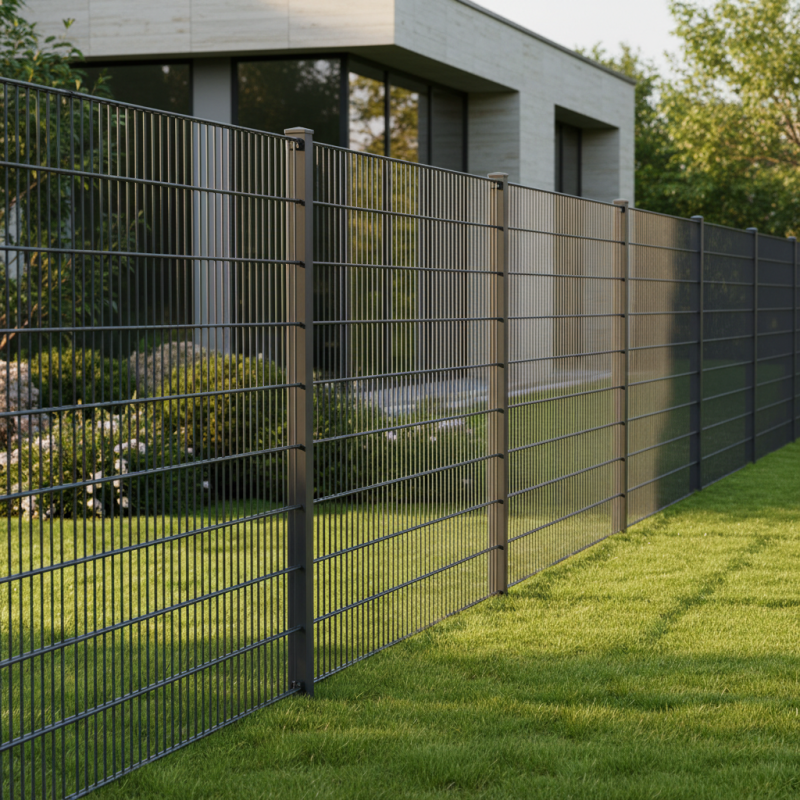
Double Wire Panel Tips for Choosing the Right Type?
Choosing the right type of double wire panel can be challenging. Many factors come into play in this decision. Understanding the specific needs of your project is crucial.
double wire panels are known for their durability and strength. They provide excellent security and visibility. However, not all panels are created equal. Different specifications cater to different environments. Choosing the wrong type can lead to installation issues.
Consider the height and gauge of the wire. Thicker wires often provide better security. Also, reflect on the design and style of the panel. Aesthetics may matter, especially for residential areas. Remember, it’s essential to assess your requirements realistically. The right choice can save time and money in the long run.
Understanding the Basics of Double Wire Panels in Fencing Systems
When selecting a double wire panel for your fencing needs, understanding the basics can greatly influence your decision. Double wire panels are characterized by their two horizontal wires, offering increased strength and stability. This structure enhances safety, making them a popular choice for security fencing. They are often used in areas that demand high durability, such as farms and industrial sites. Mesh thickness varies, providing options for different degrees of protection and visibility.
Pay attention to the panel heights available. Taller panels offer more security but can be imposing. Shorter options provide visibility, which might be ideal for gardens or residential areas. Additionally, consider the coating on the wire. Galvanized finishes resist rust but may not blend well with natural surroundings. A powder-coated finish can enhance aesthetics but may need more maintenance over time. Quality matters, but the right choice reflects personal needs and layouts.
Ensure your choice matches the surrounding environment. A heavy-duty panel might suit a commercial setting, while a lighter style could enhance a backyard's charm. Reflect on your priorities. Do you value security over aesthetic appeal? The answers can help guide you in selecting the perfect double wire panel.
Double Wire Panel Fencing Types Comparison
This chart illustrates the market share of different types of double wire panels commonly used in fencing systems. As shown, heavy duty double wire panels are the most popular choice among consumers, followed by standard and electrified options.
Key Considerations for Material Selection in Double Wire Panels
When choosing a double wire panel, material selection is crucial. Various materials can affect durability, aesthetics, and function. Common options include steel, aluminum, and PVC. Steel panels tend to be more robust, offering strength and stability. However, they may require more maintenance over time. Aluminum, being lighter, resists corrosion better but might not withstand heavy impacts as well. PVC offers excellent weather resistance and requires little upkeep but may not provide the same strength.
Consider the environment where the panels will be installed. Coastal areas may expose materials to saltwater, which can corrode certain metals quickly. Urban settings may require panels that endure impacts. Reflect on the visual aspects too. The right finish and color can enhance the overall look of your property. It's essential to think about the long-term implications of your choice. Investing in higher-quality materials can save costs on repairs and replacements later. Balancing aesthetics, functionality, and durability can lead to better decisions.
Analyzing the Strength and Durability of Different Wire Gauge Options
Choosing the right wire gauge can be tricky. Many people overlook the importance of strength and durability. A heavier gauge wire typically offers better strength but may also come at a higher cost. It’s essential to assess your specific needs before making a decision.
For example, a 9-gauge wire is robust and can withstand significant tension. However, it may not be necessary for light applications. Conversely, lighter gauges like 14-gauge are easier to handle but might not last as long in harsher conditions. You need to think about the environment where the panel will be used. If exposed to extreme weather, durability becomes crucial.
Additionally, consider maintenance. Thicker wires may need less frequent repair but can be more challenging to install. Balancing strength against manageability is vital. Sometimes, opting for a mid-range gauge can provide the best compromise. Always remember that your choice impacts longevity and effectiveness. Reflecting on these factors will lead to a more informed decision.
Double Wire Panel Tips for Choosing the Right Type
| Wire Gauge | Strength (lbs) | Durability (Years) | Typical Applications |
| 12 Gauge | 1500 | 10+ | High-security fences |
| 14 Gauge | 1000 | 8-10 | Perimeter fencing |
| 16 Gauge | 600 | 5-8 | Garden and livestock fencing |
| 18 Gauge | 400 | 3-5 | Lightweight applications |
Evaluating Installation Techniques for Optimal Performance of Panels
When evaluating installation techniques for double wire panels, it's essential to consider the terrain. Uneven ground can complicate the installation process. Using a level gauge helps ensure your panels are aligned properly. The right adjustment can enhance durability.
Proper spacing between panels is crucial. This affects both aesthetics and the security of your installation. It’s often overlooked, leading to gaps that can diminish performance. Also, pay attention to anchoring methods. A secure anchor can prevent panels from shifting over time.
Begin with a detailed measurement of your space. Skipping this step can result in miscalculations. If you rush, the installation may not fit as planned. Don’t hesitate to seek advice if you’re unsure about techniques. Learning from others’ mistakes can be invaluable in achieving optimal performance with double wire panels.
Assessing Cost-Effectiveness and Long-Term Maintenance of Double Wire Panels
When considering the cost-effectiveness of double wire panels, we should analyze their long-term maintenance. Reports indicate that these panels can last up to 20 years with minimal upkeep. This longevity often offsets the initial investment. On average, maintenance costs are around 5-10% of the installation price each year. This lower maintenance rate makes them an attractive option for budget-conscious projects.
Different types of double wire panels exist. Some are better suited for heavy-duty applications, while others are lighter and more affordable. A study from the fencing industry notes that heavy-duty panels can provide better security but typically come with a higher cost. Understanding the trade-offs between security and cost is crucial. Analyzing the specific needs of your project is essential.
Despite their advantages, not every type of double wire panel is ideal for all settings. Environmental factors play a significant role. Areas with extreme weather might require stronger options. However, this could lead to increased costs. It’s vital to reflect on your specific circumstances and weigh these considerations carefully. You may find yourself revisiting choices as conditions change.