Essential Tips for Choosing the Right Commercial Kitchen Hood for Your Business
When establishing a successful food service operation, the importance of selecting the right Commercial Kitchen Hood cannot be overstated. According to the National Fire Protection Association (NFPA), kitchen fires account for approximately 49% of all commercial restaurant fires, highlighting the critical role that proper ventilation and fire protection systems play in maintaining a safe working environment. A well-designed kitchen hood not only helps in managing smoke, heat, and grease generated during cooking but also ensures compliance with local health and safety regulations.
Furthermore, a report by the Foodservice Equipment Reports indicates that restaurant operators spend an average of $20,000 to $30,000 on hood installation, emphasizing the need for careful consideration when making this investment. Factors such as the type of cooking equipment, kitchen size, and ventilation requirements must align with the chosen Commercial Kitchen Hood to optimize functionality and efficiency. With an array of options available, understanding the essential features and specifications of kitchen hoods is vital for operators seeking to enhance operational performance while safeguarding their establishment.
Understanding the Role of Commercial Kitchen Hoods in Food Safety
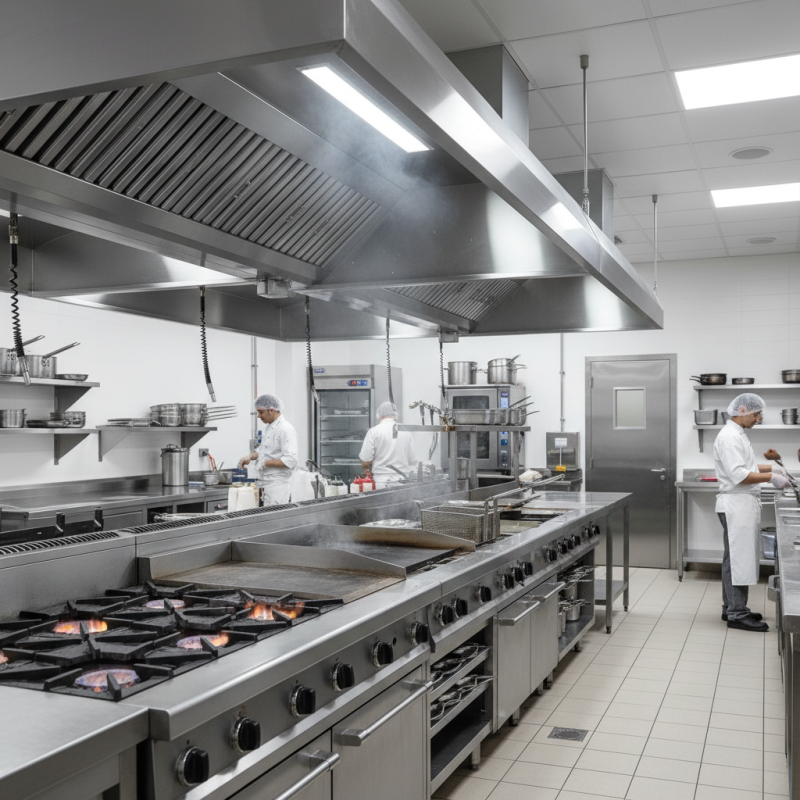
Commercial kitchen hoods are a critical component of food safety in any foodservice establishment. They serve to remove smoke, steam, grease, and odors that can accumulate during cooking, thus helping to maintain a clean and safe working environment. According to the National Fire Protection Association (NFPA), cooking equipment is a leading cause of restaurant fires, and a well-functioning kitchen hood can significantly reduce this risk. In fact, NFPA reports indicate that 57% of restaurant fires start in the kitchen, underscoring the importance of proper ventilation systems in managing heat and combustible materials.
Furthermore, commercial kitchen hoods play a pivotal role in ensuring compliance with health and safety regulations. The Occupational Safety and Health Administration (OSHA) mandates adequate ventilation in commercial kitchens to mitigate the risks of airborne contaminants. Data suggests that improper or inadequate ventilation can lead to the buildup of hazardous fumes, which not only poses health risks to staff but can also lead to violations that result in costly fines. Investing in the right kitchen hood can enhance air quality, reduce health risks for employees, and ensure that the business meets applicable health codes, thereby creating a safer culinary environment.
Determining the Size and Type of Hood Suitable for Your Kitchen
When it comes to selecting the right commercial kitchen hood, understanding the size and type suitable for your kitchen is paramount. The first step is to accurately assess the size of your cooking equipment. Measure the dimensions of your cooking appliances and ensure that the hood extends at least several inches over the edges. A common recommendation is to have a hood that is at least six inches wider than the cooking surface to effectively capture smoke, grease, and steam.
Choosing the type of hood is equally important. There are various styles available, including wall-mounted, island, and under-cabinet hoods, each tailored to different kitchen layouts. Additionally, consider the ventilation system you will employ. Exhaust hoods are designed for heavy-duty cooking operations and are essential in kitchens with high heat output, while ductless hoods might suffice for environments with less intensive cooking. Always ensure that the type of hood aligns with local health and safety regulations, as this can greatly influence both functionality and compliance for your business.
Evaluating Airflow and Ventilation Requirements for Effective Operation
When selecting a commercial kitchen hood, understanding the airflow and ventilation requirements is crucial for maintaining an effective and safe kitchen environment. The hood's primary function is to capture and remove smoke, steam, grease, and odor generated during cooking processes. To achieve optimal performance, it's vital to calculate the appropriate airflow needs based on the size of the kitchen, the type of cooking equipment in use, and the volume of food being prepared. This involves assessing the cubic feet per minute (CFM) needed for the specific kitchen layout and the appliances used, ensuring that the system can effectively ventilate the area.
In addition to determining airflow, the design and placement of the hood significantly impact its efficiency. Properly positioned hoods should extend beyond the edges of the cooking surface to maximize capture efficiency. Moreover, integrating make-up air systems can help balance the air pressure and maintain a comfortable environment for kitchen staff. Ensuring that the culinary space receives an adequate supply of fresh air supports both safety and energy efficiency, fostering a healthier working atmosphere while minimizing unnecessary energy consumption. Prioritizing these factors will lead to a well-ventilated kitchen that meets health and safety regulations while enhancing overall operational performance.
Exploring Different Materials and Designs for Durability and Aesthetics
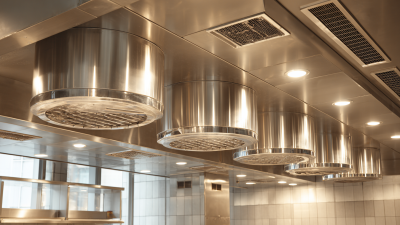
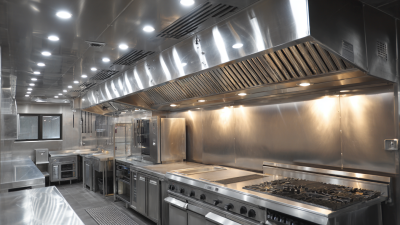
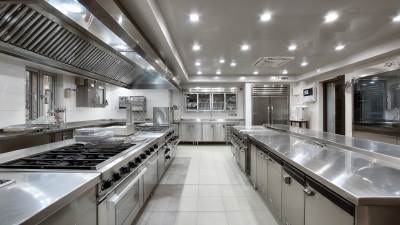
When selecting the right commercial kitchen hood for your business, the materials and designs you choose play a crucial role in both durability and aesthetics. Stainless steel is a popular option due to its resistance to corrosion, ease of cleaning, and sleek appearance. Opting for hoods made of high-grade stainless steel can ensure longevity, allowing your kitchen to maintain a professional look while withstanding the demands of a busy environment. Consider the finish as well; a brushed finish can hide fingerprints and smudges better than a polished one, making maintenance easier.
In addition to materials, the design of your kitchen hood should complement your overall kitchen layout and decor. An island hood can create a stunning focal point in an open kitchen space, while wall-mounted options can be more suitable for compact areas. Ventilation effectiveness is also vital—ensure that the design optimizes airflow while reducing noise.
**Tip:** When choosing a hood, always check local building codes to ensure compliance. Additionally, think about the cleaning process; designs that facilitate easy access for maintenance can save you time and effort in the long run. Always balance visual appeal with functionality to create a harmonious blend that enhances your cooking space.
Understanding Local Regulations and Codes for Kitchen Hood Installation
When selecting a commercial kitchen hood, understanding local regulations and codes is crucial for ensuring compliance and safety. Each municipality has specific guidelines regarding ventilation systems, fire safety measures, and installation standards. It’s essential to research these regulations before making any purchase decisions. Checking with your local health department or fire marshal can provide insights into the necessary requirements for your area.
Tip: Always consult the latest building codes and local regulations to avoid costly mistakes. Ensure that your kitchen hood meets the minimum airflow requirements to adequately ventilate the cooking area and minimize fire hazards. Additionally, proper installation by certified professionals is not only a legal requirement but also essential for maintaining the hood's functionality and effectiveness.
Furthermore, different types of cooking equipment may require distinct types of hoods. For example, heavy-duty cooking appliances may need a more robust exhaust system compared to standard kitchen setups. Familiarizing yourself with these distinctions can help you select the best option that aligns with your business needs while remaining compliant with regulations.
Tip: Engage with local suppliers or contractors who have experience in your area; they can often provide valuable insights regarding the nuances of local codes, which can differ significantly from one place to another.