What is a Kitchen Exhaust Fan and How Does It Work?
In modern kitchens, a Kitchen Exhaust Fan plays a crucial role in maintaining a safe and comfortable cooking environment. According to a report by the American Society of Heating, Refrigerating and Air-Conditioning Engineers (ASHRAE), over 50% of cooking-related pollutants can be effectively removed with a proper ventilation system. This statistic underscores the importance of having a reliable exhaust fan.
Experts like Richard Smith, a ventilation specialist, note, "A good Kitchen Exhaust Fan is not just about air quality; it’s about health." These fans help eliminate smoke, heat, and odors, improving indoor air quality. However, many kitchens still lack proper exhaust systems, leading to increased humidity and harmful airborne particles.
The failure to utilize an efficient Kitchen Exhaust Fan can result in lingering cooking smells and uncomfortable heat levels. Homeowners must recognize the hidden dangers of inadequate ventilation. While it seems easy to overlook, the consequences of poor air quality can be significant. Investing in a good exhaust fan is essential for any kitchen environment.

Understanding the Kitchen Exhaust Fan: Definition and Purpose
A kitchen exhaust fan is more than just an appliance. It plays a vital role in maintaining a healthy cooking environment. This device helps to remove smoke, grease, and odors generated while preparing meals. It works by pulling air through a filter and venting it outside. This process reduces indoor pollution and improves air quality.
When cooking, strong smells can linger for hours. An exhaust fan combats this by ensuring that fresh air circulates in the kitchen. Many fans have different speeds. A higher speed is necessary when frying or grilling. This function can often feel neglected in busy kitchens. Some fans might not be powerful enough for larger spaces, leading to a buildup of smoke and odors.
Regular maintenance is key. A clogged filter reduces efficiency. Cleaning the exhaust fan can be easy but is often overlooked. Not every installation is perfect; sometimes, the placement may hinder airflow. Understanding these aspects can help users make the most of their kitchen exhaust system.
What is a Kitchen Exhaust Fan and How Does It Work?
| Dimension |
Description |
| Definition |
A kitchen exhaust fan is a mechanical device designed to remove smoke, odors, heat, and excess moisture from the kitchen environment, contributing to improved air quality. |
| Purpose |
To improve indoor air quality, ensure safety by reducing fire hazards, and enhance comfort while cooking. |
| Types |
Ducted, ductless (recirculating), wall-mounted, under-cabinet, and island exhaust fans. |
| Installation Location |
Typically installed above the cooking surface or range, allowing for direct removal of cooking byproducts. |
| Mechanism |
Uses a fan to draw air into the unit, passing it through a filter or directly outside to expel pollutants. |
| Maintenance |
Regular cleaning of filters and fan blades, checking for blockages, and ensuring proper functioning of the motor. |
Components of a Kitchen Exhaust Fan and Their Functions
A kitchen exhaust fan plays a crucial role in maintaining a clean cooking environment. Understanding its components is key to enhancing kitchen efficiency.
The fan itself is the heart of the system. It's responsible for pulling out smoke, steam, and odors. A motor powers the fan blades, allowing them to rotate at different speeds. Filters trap grease and particles, improving air quality. Installing a quality filter is essential, as it ensures a more effective purification process.
Ductwork connects the fan to the exterior. It needs to be adequately sized; otherwise, it might lead to poor airflow. Shorter ducts with fewer bends work best. Inadequate ducting can lead to backdrafts or inefficiency.
Tips: To maintain the exhaust fan, clean the filters monthly. This simple task can prolong the fan's lifespan. Don't ignore any unusual noises; they might indicate a malfunction. Pay attention to the airflow. If it feels weak, your ducts might require cleaning or repair. An efficient exhaust fan makes cooking safer and more pleasant.
Kitchen Exhaust Fan Component Efficiency
How Kitchen Exhaust Fans Work: The Mechanics Behind the Operation
A kitchen exhaust fan is essential for maintaining air quality while cooking. It works by pulling air from the kitchen and expelling it outside. This process is crucial in removing smoke, steam, and odors generated during cooking. When you fry, boil, or roast, the fan activates to help clear the air.
The mechanics behind kitchen exhaust fans are relatively simple. They consist of a motor, fan blades, and ductwork. The motor powers the fan blades, creating suction. This suction draws air into the fan, passing it through filters. The filtered air is then expelled outside. Some fans have multiple speed settings to adjust airflow based on cooking needs. A powerful fan can reduce cooking odors significantly, but it might also be noisy.
However, not all kitchen exhaust fans are effective. Some may struggle with high humidity or strong odors. Filters need regular maintenance, too. A clogged filter can diminish performance. It's easy to forget about cleaning them until unpleasant smells linger in the kitchen. Assessing fan performance regularly can help ensure a better cooking environment.
Types of Kitchen Exhaust Fans and Their Unique Features
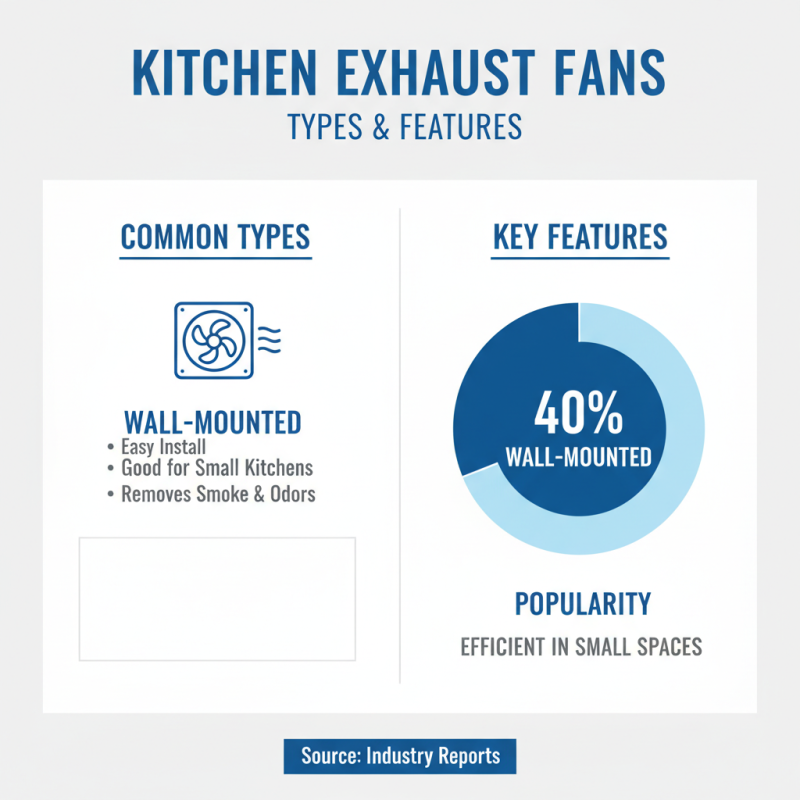
When considering kitchen exhaust fans, it’s essential to understand the different types available. Each type has unique features tailored for specific needs. For instance, wall-mounted exhaust fans are popular for their straightforward installation and effective removal of smoke and odors. Reports indicate that around 40% of kitchens use this style due to its efficiency in smaller spaces.
Another common type is the under-cabinet exhaust fan. This design is compact and sits directly under cabinets, providing a clean look while maximizing kitchen space. Data reveals that about 30% of households choose this option for its convenience. However, installation can sometimes be tricky, and poor placement may lead to ineffective air circulation.
Island hoods are luxurious but often overlooked. They provide more style and sometimes better airflow. Yet, they tend to be more expensive and require significant kitchen space. Installation can be complex, and the performance may vary based on ductwork. Approximately 20% of chefs prefer island hoods for their aesthetics but recognize the challenges involved.
Understanding these options helps kitchen owners make informed decisions. Each type has its pros and cons that should align with cooking habits and kitchen design.
Benefits of Using a Kitchen Exhaust Fan in Home Cooking Spaces
A kitchen exhaust fan plays a crucial role in home cooking spaces. It removes heat, smoke, and odors generated during cooking. According to the U.S. Environmental Protection Agency (EPA), poor indoor air quality can lead to health issues over time. Kitchen exhaust fans help mitigate these risks by improving ventilation.
The benefits of using an exhaust fan are significant. They help in reducing humidity levels, especially when boiling or frying foods. A study by the American Society of Heating, Refrigerating and Air-Conditioning Engineers highlights that proper ventilation can decrease the likelihood of mold growth. This is important because high moisture levels can lead to structural damage and health hazards.
Moreover, smoke and grease can accumulate in kitchens, making them difficult to clean. An exhaust fan can reduce this buildup. However, if not cleaned regularly, the fan itself can become a fire hazard. Many homeowners overlook this maintenance. Failing to ensure the fan operates efficiently diminishes its benefits. Taking time to review usage patterns is essential for optimal air quality.