Top 10 Essential Tips for Maintaining Your Commercial Kitchen Hood
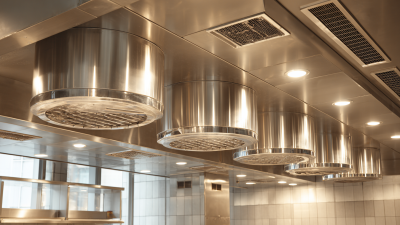
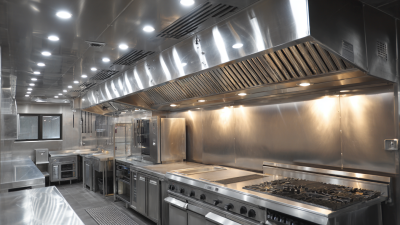
The Commercial Kitchen Hood plays a critical role in maintaining a safe and efficient cooking environment. According to the National Fire Protection Association (NFPA), cooking equipment is the leading cause of restaurant fires, accounting for 49% of all commercial kitchen fires. This makes effective ventilation essential not just for compliance with health and safety regulations, but also for the overall success of culinary operations. Properly maintained kitchen hoods can drastically reduce the risk of fire hazards and improve air quality by removing grease, smoke, and heat from the kitchen environment.
In addition to safety concerns, the functionality of a Commercial Kitchen Hood directly impacts the performance of kitchen staff and their productivity. Research from the Food Service Technology Center indicates that effective ventilation can enhance cooking efficiency and temperature control, leading to better food quality and faster service. With an increasing focus on health and safety regulations, combined with the rising costs associated with kitchen fires and inefficiencies, it is essential for restaurant owners and managers to ensure their kitchen hoods are properly maintained. In this article, we provide the top 10 essential tips for maintaining your Commercial Kitchen Hood, ensuring a safer and more efficient kitchen operation.
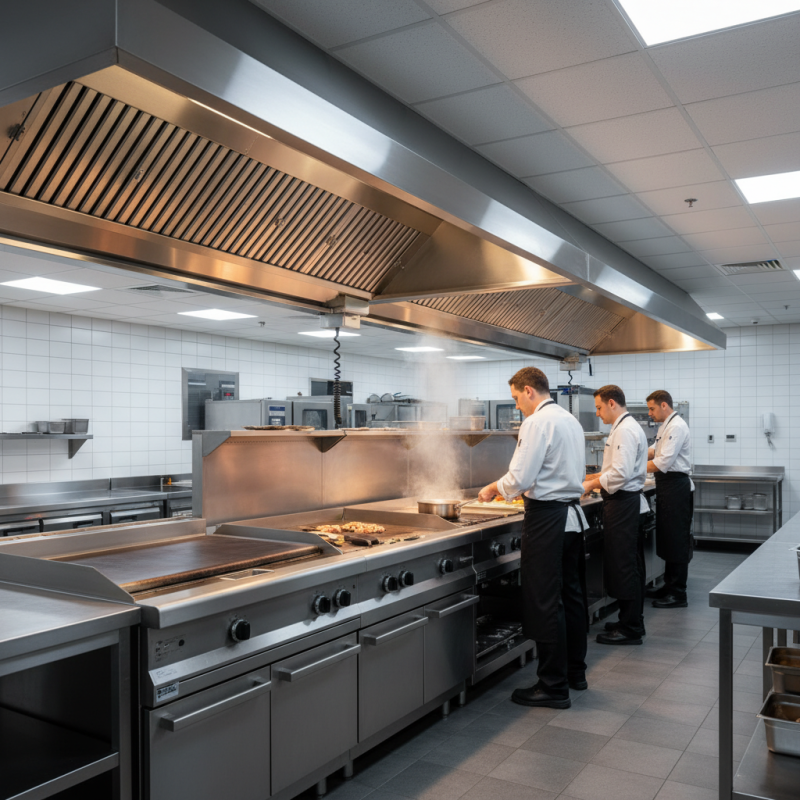
Understanding the Importance of Regular Kitchen Hood Maintenance
Regular maintenance of commercial kitchen hoods is not just a matter of compliance; it’s essential for ensuring safety and efficiency in any culinary environment. Kitchen hoods are designed to effectively remove smoke, steam, grease, and odors, but over time, they can accumulate significant buildup that can pose fire hazards and affect kitchen operations. Understanding the importance of regular maintenance means recognizing how it contributes to a healthier work environment, improved air quality, and compliance with health regulations.
One essential tip for maintaining your kitchen hood is to schedule routine cleanings. Depending on the volume of cooking, hoods should be cleaned monthly or quarterly. This regular upkeep prevents grease buildup, which is a leading cause of kitchen fires. Another important tip is to check and replace filters regularly. Dirty filters can restrict airflow and reduce the efficiency of your hood, leading to increased energy costs and potential hazards.
Training your staff on proper kitchen hood usage can also make a significant difference. Ensure they understand the importance of using the hood whenever cooking to minimize grease accumulation. Additionally, consider installing a monitoring system that signals when maintenance is due to keep everything in check, protecting both your kitchen and your personnel from the risks associated with neglecting this vital equipment.
Identifying Common Issues in Commercial Kitchen Hoods
Maintaining a commercial kitchen hood is crucial for both efficiency and safety in food service operations. A comprehensive study by the National Fire Protection Association (NFPA) reveals that 57% of kitchen fires originate from cooking equipment and can escalate if proper ventilation isn’t maintained. One key issue is the buildup of grease; over time, it can become a fire hazard if not regularly cleaned. The NFPA recommends inspections every six months for heavy-use kitchens and at least annually for lighter-duty settings to mitigate this risk.
Another common problem associated with kitchen hoods is inadequate airflow, which not only leads to uncomfortable work environments but can also affect food quality. According to the American Society of Heating, Refrigerating and Air-Conditioning Engineers (ASHRAE), kitchen hoods should provide a minimum air velocity of 100 feet per minute to effectively capture smoke, steam, and odors. Insufficient airflow can lead to increased heat and humidity, which can stress kitchen staff and disrupt operations, ultimately impacting customer satisfaction and safety. Regular maintenance checks can help identify these issues before they escalate, ensuring the kitchen operates smoothly and safely.
Step-by-Step Cleaning Procedures for Kitchen Hoods
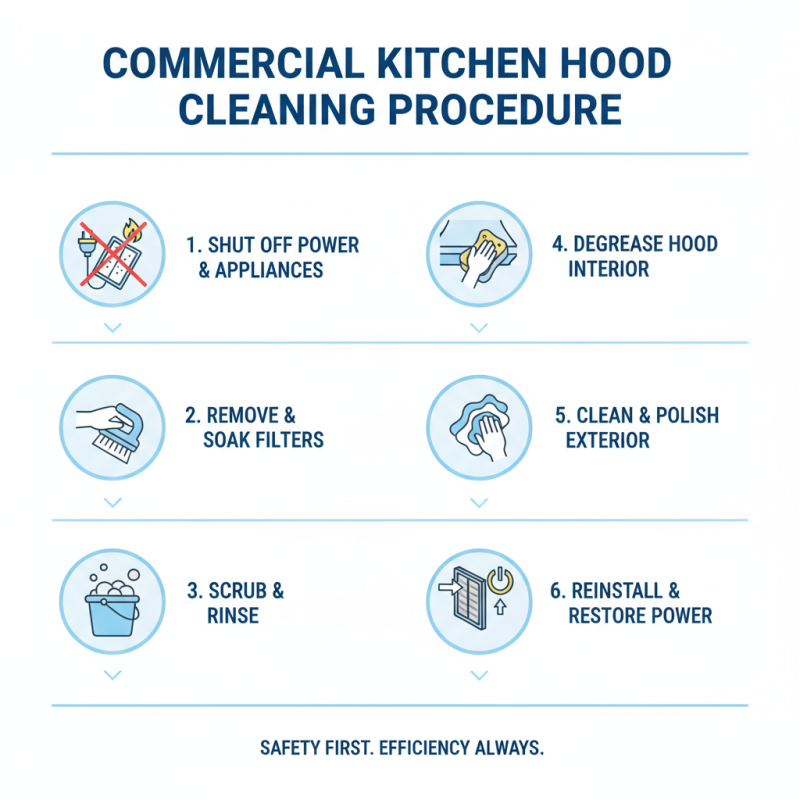
When it comes to maintaining a commercial kitchen hood, adhering to step-by-step cleaning procedures is crucial for ensuring safety and efficiency. Start by turning off all cooking appliances and disconnecting the power supply to the hood. This not only prevents accidents but also allows for a thorough cleaning process without any interference. Next, remove any filters and baffle plates, which should be soaked in a degreasing solution to loosen built-up grease and grime. Scrubbing them gently with a non-abrasive scrubbing pad will help achieve a spotless finish.
Once the filters are cleaned, focus on the interior surfaces of the hood. Use a heavy-duty degreaser to wipe down all areas, paying special attention to corners where grease accumulates. A steam cleaner can also be effective in loosening stubborn debris. After cleaning, rinse all surfaces with warm water and dry them thoroughly to prevent water spots and corrosion. Reinstall the filters and baffle plates, ensuring everything is securely in place before restoring power. Regular adherence to this cleaning routine not only enhances the performance of your kitchen hood but also helps comply with health and safety regulations.
Establishing a Maintenance Schedule for Optimal Hood Performance
Establishing a maintenance schedule for your commercial kitchen hood is crucial for ensuring its optimal performance and safety. Regular inspections and cleanings will not only prolong the life of the hood but also significantly reduce fire hazards caused by grease accumulation. A well-structured maintenance routine should include monthly checks for signs of wear and tear, along with thorough cleaning every three to six months, depending on your kitchen’s usage.
To maximize the efficiency of maintenance, consider implementing the tip of keeping a detailed log of all services performed. This log should include dates, types of maintenance conducted, and any issues identified. Another important tip is to train your staff on daily checks they could conduct, such as ensuring filters are free of obstructions and the hood is operating properly. This proactive approach helps identify potential problems early, minimizing downtime and ensuring that your kitchen remains compliant with health and safety regulations. Regular maintenance and vigilant reporting create a safer and more effective kitchen environment.
Top 10 Essential Tips for Maintaining Your Commercial Kitchen Hood