Quality first, innovative service

Choosing the right Kitchen Chimney for your home is essential. It enhances kitchen decor and improves air quality. The right choice can eliminate smoke, grease, and odors while cooking.
Many homeowners overlook the importance of a quality chimney. A good Kitchen Chimney can make the difference between a pleasant cooking experience and a frustrating one. The options available may seem overwhelming at first. Knowing which features matter most is crucial.
In this guide, we will explore ten essential tips. These tips will help you select a Kitchen Chimney that fits your needs. From size to suction power, each aspect plays a vital role. Reflecting on your kitchen habits and preferences can lead you to the perfect choice.
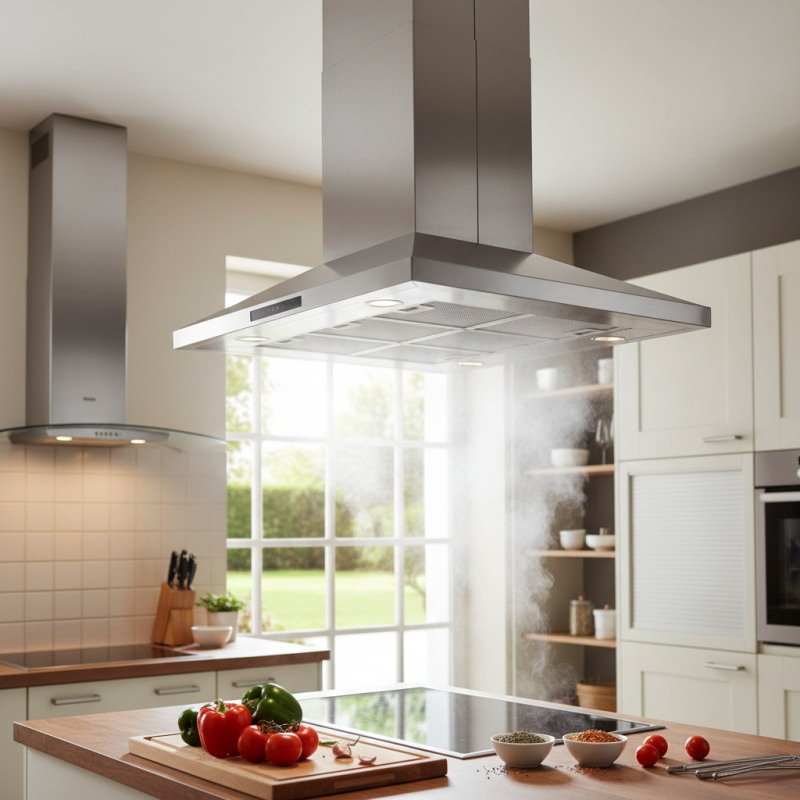
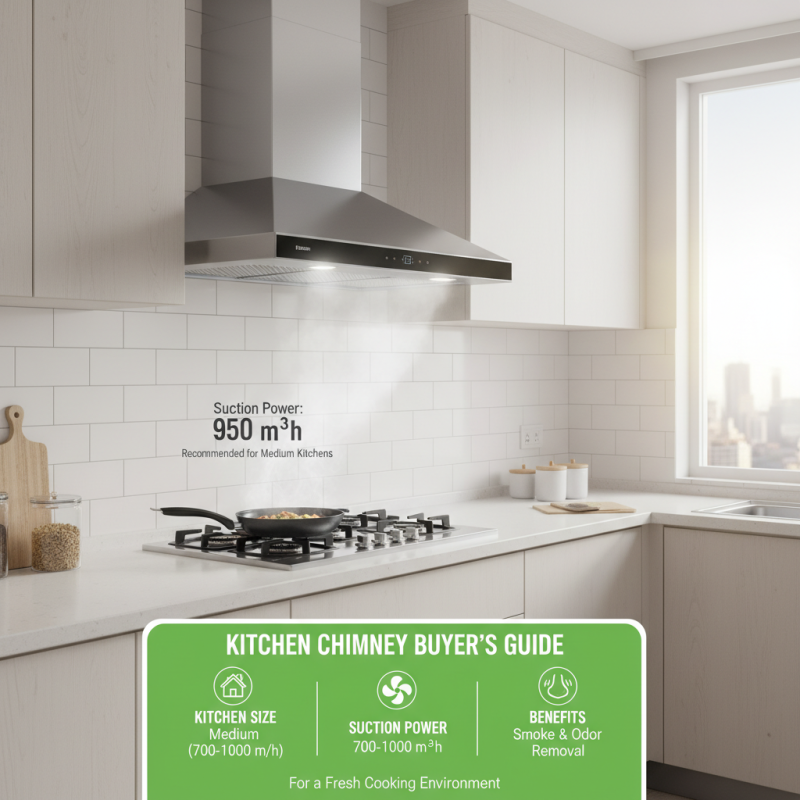
When selecting a kitchen chimney, several crucial factors should guide your decision. First, consider the chimney's suction power. The ideal capacity often depends on your kitchen size. Reports suggest that an efficient chimney should have a suction power of 700-1000 m³/h for medium-sized kitchens. This ensures effective smoke and odor removal, essential for maintaining a pleasant cooking environment.
Another important aspect is the type of chimney. Wall-mounted, island, and built-in options each serve different layouts. A wall-mounted chimney typically suits smaller kitchens better. Island chimneys, suited for open kitchens, can be quite expensive and may not be practical for every homeowner. Be mindful of the installation space and the chimney’s design. A mismatched style can disrupt your kitchen's aesthetic.
Lastly, maintenance is key. A chimney requires regular cleaning to function efficiently. Some designs may be easier to clean than others. A study showed that over 30% of homeowners neglect chimney upkeep, leading to reduced performance. Think about long-term usage and the effort required to keep your chimney in top shape. Selecting the right kitchen chimney is not merely about features; it’s about ensuring it fits seamlessly into your lifestyle.
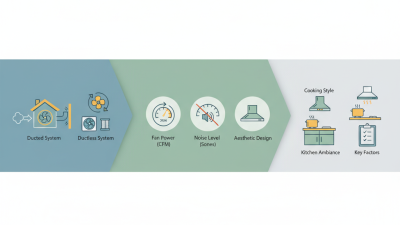
Choosing the right kitchen chimney is crucial for a clean cooking environment. Understanding the different types available helps you make an informed decision. Generally, there are three main types:
wall-mounted,
island, and
under-cabinet chimneys.
Wall-mounted chimneys are popular and easy to install. They fit well above the stove and are adjustable to match your kitchen height. However, they might not suit all kitchen designs.
Island chimneys offer a modern touch. They hang freely over an island cooktop, providing good extraction.
These chimneys often come with advanced features but require higher ceilings for proper installation. On the downside, their placement can limit cabinetry options. Under-cabinet models are compact and efficient. They slide underneath cabinets, saving space. Yet, they may not provide the same extraction power as wall or island types.
Choosing the right one isn't just about aesthetics. Consider your cooking style and kitchen size. Frequent frying? You may need a more powerful model. An occasional home chef may compromise on extraction but prioritize design. This makes the selection process daunting. Take time to think about your needs before making a choice.
Reflect on how often you cook and how much space you have.
When selecting a kitchen chimney, airflow and suction power are critical. Industry standards suggest a minimum airflow of 600 cubic meters per hour for efficient ventilation in medium-sized kitchens. This figure ensures that smoke, odors, and grease are effectively removed. A chimney with lower airflow may lead to lingering smells and poor air quality.
Suction power, measured in Pascal (Pa), also plays a vital role. An ideal kitchen chimney should provide at least 300 Pa of suction power. This level is essential for removing dense kitchen vapors promptly. However, many models claim high suction rates but fail to deliver in real-life scenarios.
Consumers often overlook this, leading to dissatisfaction over time. Assessing these metrics requires careful consideration during the purchasing process. It’s not just about aesthetics; performance matters more. Ensure to check for certifications like Eurovent or AHAM, which guarantee compliance with the stated airflow and suction levels. Inadequate performance can result in increased cooking odors and a less comfortable kitchen environment. Hence, prioritize accurate specifications while shopping.
When choosing a kitchen chimney, noise levels can greatly impact your cooking experience. Many models operate at varying decibel levels. A study shows that chimneys operating at 50-60 dB are suitable for a comfortable kitchen environment. Yet, some models can be much louder. This noise can disrupt conversations and concentration while cooking.
Consider opting for chimneys with variable speed settings. These allow you to balance suction power and noise levels. A moderate speed often minimizes noise while ensuring effective venting. If you love cooking and frequently use the chimney, the sound might become unbearable. Keep this in mind when making your choice.
Another essential factor is the motor type. A brushless motor tends to operate more quietly than traditional motors. However, many consumers overlook this detail. Ensure to check the specifications before purchasing. It's easy to underestimate the importance of noise. A quieter chimney makes cooking more pleasant and could prevent headaches from constant loud noises. Make sure your choice aligns with daily kitchen activities.
When it comes to kitchen chimneys, maintenance is key. Regular cleaning is essential. A study from the National Fire Protection Association shows that kitchen fires account for 49% of all home fires. Dirty chimneys can exacerbate this risk. Cleaning should be done every three to six months to remove grease buildup. This not only improves air quality but also ensures the chimney functions efficiently.
Another important factor is the replacement of filters. Many chimneys come with charcoal or mesh filters. According to industry research, replacing these filters every six months can enhance performance significantly. Neglecting this task may lead to weak suction power, causing smoke and odors to linger. It's also crucial to check for any blockages. A simple inspection can reveal issues that might not be visible at first glance.
Temperature and humidity can affect chimney longevity too. Maintaining a stable environment helps in preserving the materials used. Fluctuations can lead to wear and tear, causing further inefficiencies. Homeowners often overlook these aspects, leading to costly repairs down the line. Staying proactive can save time and money. By implementing these maintenance tips, you ensure your kitchen chimney remains a sturdy ally in your culinary adventures.
| Tip | Description | Maintenance Frequency | Efficiency Tips |
|---|---|---|---|
| 1. Check Suction Power | Ensure the chimney has adequate suction power for your cooking style. | Every use | Avoid using too many burners simultaneously. |
| 2. Choose the Right Size | Select a chimney that fits the size of your stove for maximum efficiency. | At installation | Measure your stove before purchase. |
| 3. Look for Noise Levels | Choose a model that operates quietly to enhance comfort. | Every use | Opt for models with noise-reduction features. |
| 4. Filter Type Matters | Consider filters that are easy to clean and replace. | Monthly | Use washable filters where possible. |
| 5. Consider Energy Efficiency | Look for chimneys with good energy ratings to save on electricity. | Annually | Turn off when not in use. |
| 6. User-Friendly Controls | Choose a chimney with intuitive controls for ease of use. | At installation | Familiarize yourself with the controls. |
| 7. Aesthetic Considerations | Select a design that complements your kitchen decor. | At purchase | Match finishes and colors with kitchen fixtures. |
| 8. Installation Location | Ensure proper installation height for optimal performance. | At installation | Follow manufacturer’s height recommendations. |
| 9. Regular Maintenance | Perform regular checks to maintain efficiency and safety. | Quarterly | Schedule professional cleaning annually. |
| 10. Warranty and Support | Choose a model with a good warranty and customer support. | At purchase | Understand warranty terms before buying. |