What is a Cooker Hood and How Does It Work for Your Kitchen
In modern kitchens, maintaining a clean and healthy cooking environment is crucial, and a Cooker Hood plays a pivotal role in achieving this. According to a recent report by the Kitchen Ventilation Association, over 80% of American households now feature some form of kitchen ventilation, with the Cooker Hood being the most popular choice due to its effectiveness in removing smoke, odors, and airborne grease. This not only improves air quality but also enhances safety by reducing the risk of fire hazards caused by grease buildup.
Expert in kitchen design and air quality, Dr. Sarah Jenkins, emphasizes the significance of Cooker Hoods in the culinary space. She states, "A well-installed Cooker Hood is not just an optional kitchen accessory; it's an essential element that ensures both comfort and health while cooking." The evolution of Cooker Hoods has led to advanced models that combine functionality with aesthetic appeal, making them a staple in contemporary kitchens. Understanding how a Cooker Hood works and its benefits can empower homeowners to make informed choices, ultimately elevating their cooking experience and ensuring a safer culinary environment.
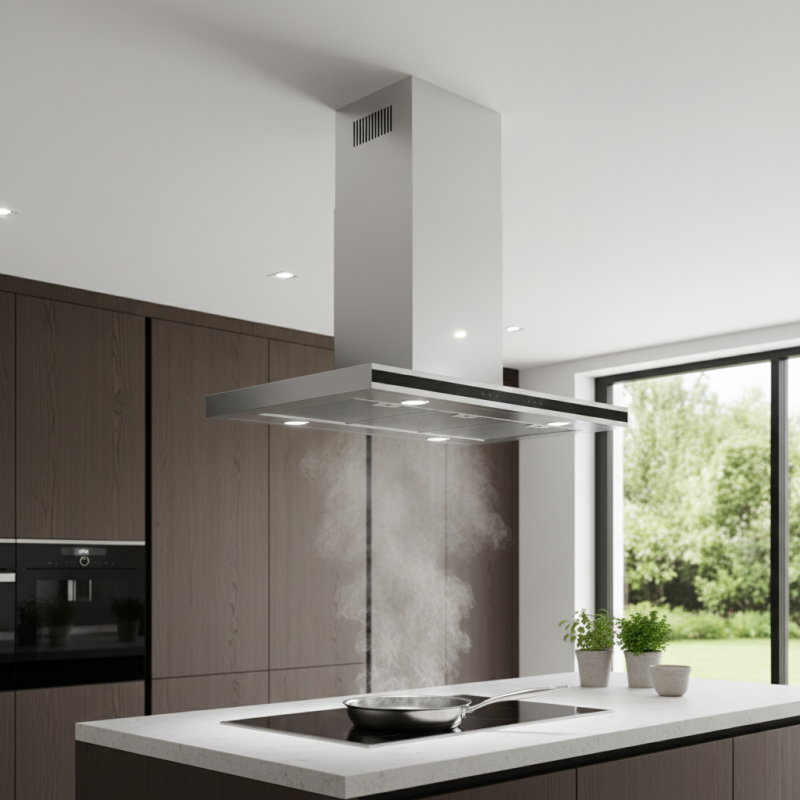
What is a Cooker Hood?
A cooker hood, also known as a range hood or exhaust hood, is an essential kitchen appliance designed to improve air quality by eliminating smoke, steam, grease, and odors produced during cooking. Typically installed above the stove, its primary function is to capture and vent these airborne pollutants, thereby enhancing kitchen comfort and safety. According to a report by the National Kitchen & Bath Association, nearly 90% of homeowners view ventilation as a crucial component of a well-equipped kitchen, emphasizing the importance of cooker hoods in modern culinary spaces.
Cooker hoods operate through a combination of filtration and ventilation systems. When cooking activities generate smoke or steam, the hood's fan draws the contaminated air upwards into its filters. These filters, which can be made from materials like charcoal or metal, trap grease particles and neutralize odors. The cleaned air is then either recirculated back into the kitchen or expelled outside through ducting, depending on the type of hood installed. The effectiveness of a cooker hood is often measured by its airflow rates, typically expressed in cubic feet per minute (CFM). Industry standards suggest that a range hood should have an airflow rate of at least 300 CFM for effective kitchen ventilation, particularly in homes where cooking styles produce significant amounts of smoke and humidity.
What is a Cooker Hood and How Does It Work for Your Kitchen
| Feature |
Description |
Benefits |
| Extraction Method |
Hoods can be ducted or ductless, extracting smoke and odors from the kitchen. |
Improves air quality and reduces greasy residue in the kitchen. |
| Filters |
Most hoods have grease filters and charcoal filters to capture particulates and odors. |
Helps in maintaining cleaner kitchen surfaces and fresher air. |
| Noise Level |
Some models operate quietly, while others may produce more noise. |
Low noise hoods enhance cooking comfort without causing distractions. |
| Design |
Available in various styles like wall-mounted, under-cabinet, and island hoods. |
Aesthetic enhancement to kitchen décor and additional functionality. |
| Maintenance |
Filters need regular cleaning or replacement, and surfaces require wiping. |
Ensures efficient operation and prolongs the life of the cooker hood. |
Types of Cooker Hoods Available for Kitchens
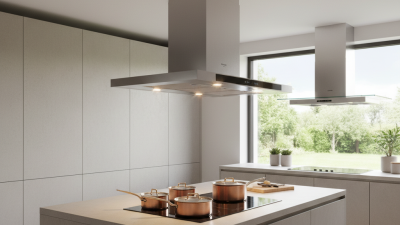
When it comes to enhancing your kitchen's functionality and ambiance, a cooker hood is an essential appliance. There are several types of cooker hoods to choose from, each serving specific needs and preferences. The most common types include wall-mounted hoods, under-cabinet hoods, island hoods, and downdraft hoods.
Wall-mounted hoods are installed against the wall and are perfect for range cookers, while under-cabinet hoods fit discreetly beneath kitchen cabinets, saving space. Island hoods are designed for kitchens with central islands, providing ventilation from above, and downdraft hoods emerge from the counter to minimize visual clutter.
When selecting a cooker hood, consider the cooking habits and kitchen layout. A powerful model with adequate airflow is essential for heavy cooking, while quieter models are ideal for lighter cooking activities.
Tips: Ensure your cooker hood has a good grease filter to maintain air quality and ease of cleaning. Additionally, opt for LED lighting features for energy efficiency and better visibility while cooking, enhancing the overall culinary experience. Regular maintenance ensures longevity and optimal performance, making your kitchen a pleasant space to cook and gather.
How Cooker Hoods Operate: Mechanisms and Functions
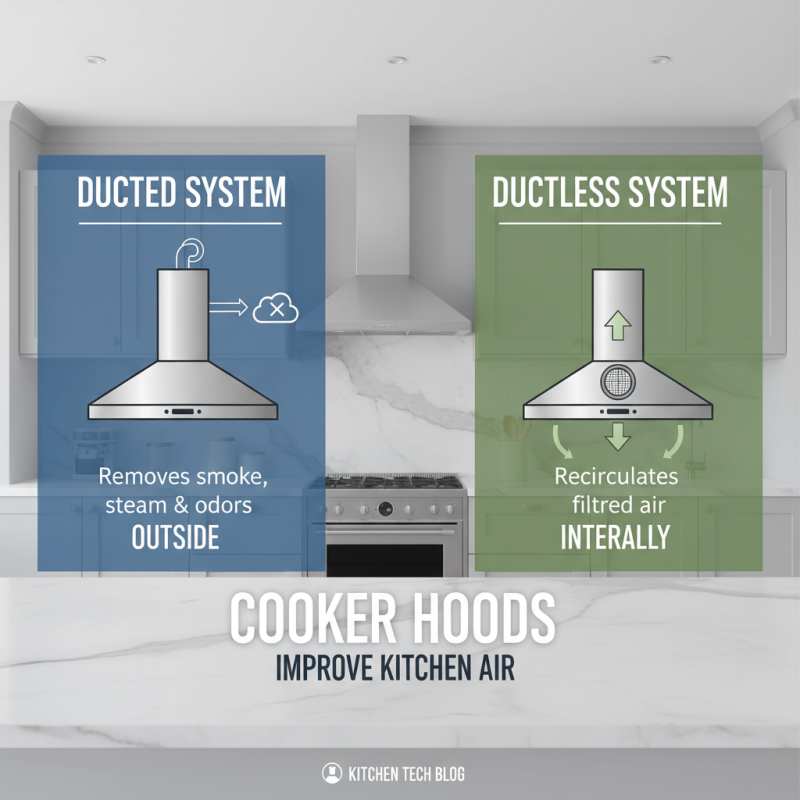
Cooker hoods, also known as range hoods, are essential kitchen appliances designed to improve air quality by removing airborne contaminants generated during cooking. These devices operate through two primary mechanisms: ducted and ductless systems. A ducted cooker hood draws air from the kitchen and expels it outside through a vent, effectively eliminating smoke, steam, and odors. This method is particularly efficient for maintaining a clean and fresh cooking environment, as it directly removes pollutants from the home.
In contrast, ductless cooker hoods rely on internal filters to clean the air before recirculating it back into the kitchen. These hoods typically utilize charcoal or grease filters to capture unwanted particles and odors, helping to purify the air indoors. While not as effective as ducted models in removing air contaminants, ductless systems offer flexibility in installation, making them a popular choice for homes where venting is not possible. Regardless of the type, both systems play a critical role in ensuring a healthier kitchen atmosphere by enhancing ventilation and reducing humidity during cooking activities.
Benefits of Installing a Cooker Hood in Your Kitchen
Installing a cooker hood in your kitchen offers several advantages that greatly enhance your cooking experience and home environment. One of the primary benefits is the effective removal of smoke, steam, and odors generated during cooking. A good cooker hood efficiently ventilates the kitchen, preventing these elements from lingering in the air and creating an uncomfortable cooking atmosphere. This feature is particularly beneficial for those who frequently fry, grill, or cook with spices that produce strong aromas.
Additionally, a cooker hood contributes to maintaining a cleaner kitchen by reducing grease and moisture buildup on surfaces. Without proper ventilation, cooking can lead to a greasy film settling on cabinets and countertops, which requires frequent cleaning. By extracting excess moisture, a cooker hood also helps in minimizing the risk of mold growth, which is a significant concern in environments with high humidity. This maintenance not only promotes a hygienic cooking space but also prolongs the lifespan of your kitchen fixtures and appliances. Overall, the installation of a cooker hood is an effective investment for improving air quality and enhancing the longevity of your kitchen.
Maintenance Tips for Keeping Your Cooker Hood Efficient
To ensure your cooker hood functions effectively, regular maintenance is essential.
One of the primary tips is to clean or replace the filters regularly.
Grease and debris can accumulate in the filters, reducing the efficiency of air extraction and causing unpleasant odors.
Depending on your usage, check the filters monthly and clean them with warm, soapy water or replace them as recommended by the manufacturer.
Another important maintenance step is to keep the exterior and interior of the hood clean.
Wipe down the surfaces with a mild cleaner to prevent grease build-up,
which can lead to discoloration and reduced performance. It is also beneficial to inspect the fan and motor periodically to ensure they are in good working order.
If you notice unusual noises or decreased suction power, it may indicate that the fan needs servicing.
Lastly, consider the placement of your cooker hood. Ensure it is installed at the correct height above your cooktop to maximize its efficiency in capturing steam, smoke, and odors.
Proper installation not only enhances performance but also prolongs the lifespan of your appliance.
By following these maintenance tips, you can ensure your cooker hood remains an essential tool in maintaining a fresh and clean kitchen atmosphere.