Quality first, innovative service

Leave Your Message

How to Choose the Right Kitchen Exhaust Fan for Your Home?

Choosing the right Kitchen Exhaust Fan is essential for any home. It helps to eliminate unwanted odors and improves indoor air quality. A suitable exhaust fan can significantly enhance your cooking experience and keep your kitchen fresh.

When selecting a Kitchen Exhaust Fan, consider the size and style of your kitchen. Different fans cater to varying needs. Some are designed for heavy cooking, while others suit lighter use. You should also think about noise levels and energy efficiency. A quiet, powerful fan makes cooking enjoyable without causing distractions.

Not all fans are created equal, and this can lead to confusion. Researching brands and reading reviews may help you decide. It's vital to choose a fan that meets your specific needs. A reliable Kitchen Exhaust Fan can transform your kitchen's atmosphere and functionality.

How to Choose the Right Kitchen Exhaust Fan for Your Home?

Understanding the Importance of Kitchen Exhaust Fans in Home Cooking

How to Choose the Right Kitchen Exhaust Fan for Your Home?

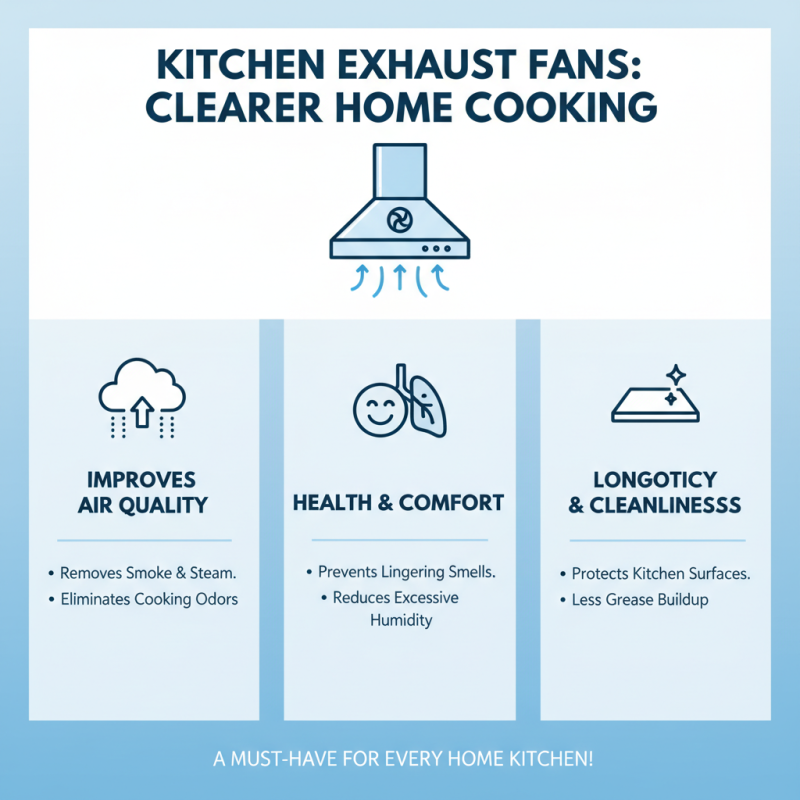
In today's kitchens, where cooking is a daily pleasure, the role of an exhaust fan cannot be underestimated. A good kitchen exhaust fan can significantly improve air quality. It helps to remove smoke, steam, and odors, making your cooking environment more pleasant. Often, people overlook the importance of these fans until they face issues like lingering smells or excessive humidity.

Choosing the right exhaust fan requires careful consideration. Look for one that has adequate airflow and noise levels compatible with your cooking habits. Consider the fan's placement as well. Is it above your stovetop, and does it match your kitchen design? Sometimes, even the most efficient fan might not fit well in your space, leading to frustrating issues.

Many homeowners realize too late that a powerful fan is necessary for high-heat cooking. A small or ineffective fan will struggle to do its job. This often results in grease build-up, which can complicate cleaning. Additionally, a fan that’s too loud may discourage use altogether. Finding the right balance between efficiency and comfort is crucial for a functional kitchen.
Key Factors to Consider When Selecting a Kitchen Exhaust Fan

Choosing the right kitchen exhaust fan is crucial for a healthy cooking environment. Several key factors come into play when selecting one. Consider the size of your kitchen. A larger kitchen requires a more powerful fan. Fan power is measured in CFM (cubic feet per minute). Ensure the fan's CFM rating matches your kitchen's dimensions and cooking style.

Noise level is another important factor to think about. Fans can be loud, which might ruin a peaceful kitchen atmosphere. Look for models that specify their noise levels. A quieter fan may be worth the investment for your comfort. Remember to check the fan's energy efficiency as well. This will save you money on energy bills over time.

Tips: Always measure your kitchen space before shopping. This can help avoid costly mistakes. Don't forget to consider your cooking habits. Do you fry often? If so, a more robust option is needed. Lastly, installation is key. Sometimes, hiring a professional is better for ensuring proper function. A poorly installed fan may not perform well. Take your time to weigh these factors carefully.

How to Choose the Right Kitchen Exhaust Fan for Your Home?

Feature Description Importance
CFM Rating Measures the air movement capacity of the fan. High
Noise Level Measured in sones, indicates how loud the fan operates. Medium
Type Can be wall-mounted, under-cabinet, or ceiling-mounted. High
Ducted vs. Ductless Ducted vents air outside, ductless filters and recirculates air. High
Energy Efficiency Look for models with Energy Star ratings. Medium
Design Aesthetic appeal and how well it fits with kitchen decor. Low
Maintenance Ease of cleaning and replacement of filters. Medium

Types of Kitchen Exhaust Fans and Their Applications

When selecting a kitchen exhaust fan, understanding the various types can greatly influence your choice. There are mainly three categories to consider: ducted, ductless, and wall-mounted fans. Ducted fans are ideal for larger kitchens. They effectively expel smoke and odors outside through installed ducts. According to the U.S. Department of Energy, ducted systems are generally more efficient, removing up to 90% of airborne grease and contaminants.

Ductless exhaust fans, on the other hand, are suitable for smaller spaces. They filter out pollutants and recirculate clean air back into the kitchen. While they are easier to install, their effectiveness can drop significantly, with studies showing that they may only eliminate about 50% of airborne particles. This makes them somewhat less reliable for heavy cooking environments.

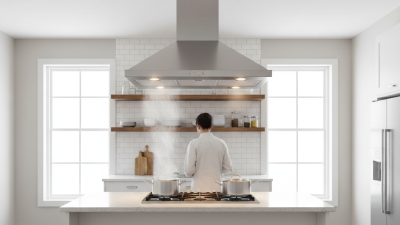
Wall-mounted models offer flexibility in design and installation. They can be placed over a range or in a kitchen island. Interestingly, many homeowners overlook the importance of proper installation. An improperly installed fan can lead to inefficiencies, as much as 30% less airflow can occur if the fan is not aligned correctly with existing ductwork. This underscores the need for careful planning and professional consultation.

Choosing the right exhaust fan requires balancing efficiency and practicality tailored to your cooking habits and kitchen layout.

Sizing Your Kitchen Exhaust Fan for Optimal Performance

Choosing the right size for your kitchen exhaust fan is crucial for effective ventilation. A fan that is too small won't remove smoke and odors efficiently. Conversely, a fan that is too large can create excessive air pressure. It’s essential to strike the right balance.

To determine the appropriate size, you can start by calculating the kitchen's volume. Measure the kitchen's length, width, and height. Multiply these numbers to find the total cubic feet. Next, consider the CFM (cubic feet per minute) needed. A general rule is to have 15 air changes per hour for optimal performance. This means a fan with around 300 CFM is reasonable for a 200-square-foot kitchen with 8-foot ceilings.

Installation height also matters. A fan installed too high may not capture smoke effectively. Aim for a mounting height of 24-30 inches above the cooktop. If the exhaust fan is placed too low, it may obstruct your cooking space. These adjustments can influence functionality and comfort in the kitchen. Each kitchen is unique, and what works for one might not work for another. Reflect on your cooking habits and kitchen layout to find the best fit.

Installation and Maintenance Tips for Kitchen Exhaust Fans

When installing a kitchen exhaust fan, proper placement is crucial. Ideally, it should be positioned directly above your cooking surface. This allows it to capture smoke and odors efficiently. Consider the fan's height too. It should be low enough to work effectively but high enough for headroom. Measure the area beforehand to avoid any regrets.

Maintenance is key for longevity and efficiency. Regularly check and clean the filters to prevent grease buildup. Clogged filters hinder airflow and can even reduce the fan's effectiveness. A simple cleaning schedule can enhance performance. Replace the filters according to the manufacturer's recommendations. Inspect the fan for loose parts or strange noises. Addressing these issues early can save money later. Not all installations are perfect. You might encounter noise levels that are higher than expected. Adjusting the speed settings or sealing gaps can help manage this. Regular inspection is a reminder of the importance of care.

Kitchen Exhaust Fans Performance Ratings

This chart illustrates the performance ratings of kitchen exhaust fans based on critical factors. Noise level is measured in decibels, airflow is noted in cubic feet per minute, energy efficiency is relative, and maintenance frequency is indicated in months.