How to Choose the Best Kitchen Chimney for Your Cooking Needs
When it comes to enhancing your culinary experience, choosing the right Kitchen Chimney is crucial. A study conducted by the National Kitchen and Bath Association indicates that homeowners are increasingly prioritizing kitchen ventilation, with 56% considering it a key feature in their remodels. This trend underscores the importance of selecting a chimney that not only complements your kitchen aesthetics but also meets your specific cooking requirements. As culinary expert Chef Emily Johnson points out, “A well-chosen Kitchen Chimney not only eliminates smoke and odors but also influences the overall efficiency of your cooking space.”
In recent years, the demand for effective ventilation systems has surged, driven by a growing awareness of indoor air quality and the health implications associated with excessive smoke and grease. According to industry statistics from the Home Ventilating Institute, proper kitchen ventilation can reduce the likelihood of respiratory issues and provide a more comfortable cooking environment. Therefore, understanding the different types of Kitchen Chimneys available—ranging from wall-mounted to island-mounted designs—is essential for every homeowner looking to create a safe and enjoyable cooking atmosphere. In this article, we will explore the key factors to consider when selecting the best Kitchen Chimney to cater to your unique culinary needs.
Understanding Different Types of Kitchen Chimneys Available on the Market
When it comes to cooking, a kitchen chimney is an essential appliance that helps maintain a clean and fresh cooking environment. There are several types of kitchen chimneys available on the market, each designed to cater to different cooking needs. The most common types include ducted, ductless, and convertible chimneys. Ducted chimneys vent the smoke, grease, and odors outside the home, making them ideal for heavy cooking styles, like frying or grilling. These are often more effective in maintaining air quality but require proper installation and ductwork.
On the other hand, ductless chimneys filter and recirculate the air back into the kitchen. They are equipped with charcoal filters that trap grease and odors, making them suitable for apartments or homes without the option of external ventilation. While they are easier to install and maintain, ductless models may require more frequent filter replacements to ensure optimal performance. Convertible chimneys offer a flexible option, allowing you to switch between ducted and ductless modes depending on your situation. Understanding these variations will help you make an informed decision, ensuring that you select a kitchen chimney that best suits your cooking habits and kitchen layout.
Key Features to Consider When Selecting a Kitchen Chimney
When selecting a kitchen chimney, several key features should be considered to ensure that it meets your cooking needs effectively. First, the chimney's suction power is paramount. Measured in cubic meters per hour (m³/h), a higher suction power means better removal of smoke, steam, and odors. For typical home cooking, a chimney with a suction power of at least 600 m³/h is recommended, but for heavy cooking, such as Indian or Chinese cuisine, you might opt for a higher range.
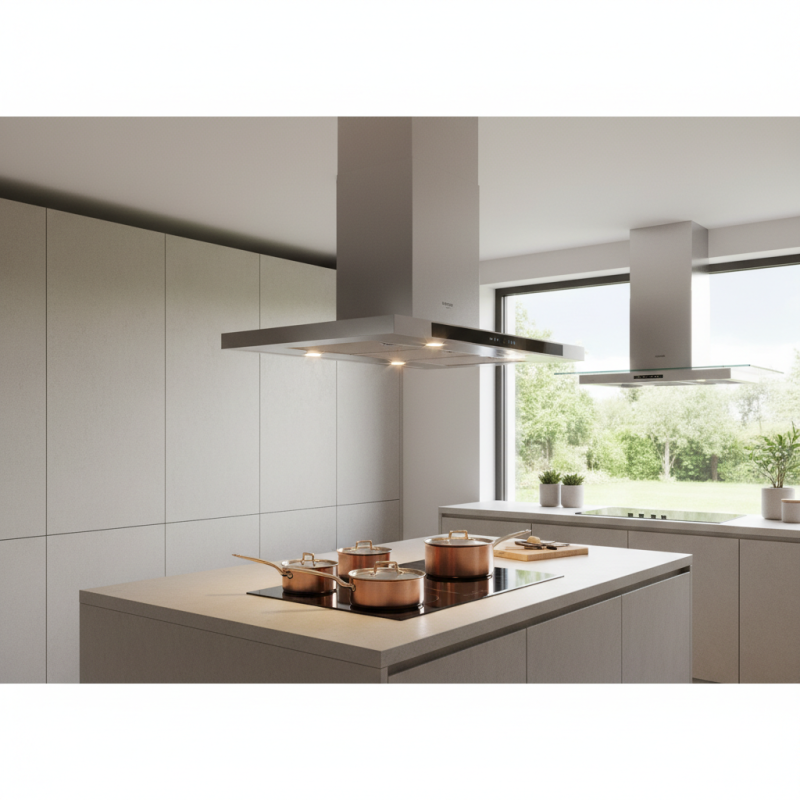
Another important factor is the chimney's size and compatibility with your kitchen layout. The width of the chimney should ideally match the width of the cooking surface to capture all emissions effectively. Additionally, consider the installation type—wall-mounted, under-cabinet, or island chimneys—depending on your kitchen design. The ease of cleaning and maintenance is also crucial; look for chimneys with washable filters or self-cleaning options that can save you time and ensure optimal performance over the years. Finally, noise levels should not be overlooked; choose a chimney that operates quietly to create a pleasant cooking atmosphere.
Assessing Your Cooking Habits and Kitchen Size for Optimal Choice
When selecting the best kitchen chimney for your cooking environment, assessing your cooking habits and the size of your kitchen are crucial factors. A recent survey from the Home Appliances Association indicates that approximately 60% of households engage in regular cooking, with 30% of them utilizing high-heat techniques such as frying and grilling. Understanding how often and what type of cooking you typically do will allow you to choose a chimney that effectively manages smoke and odors. For instance, if you frequently prepare meals that generate substantial grease and vapor, a more powerful chimney that offers a higher cubic feet per minute (CFM) rating is necessary to ensure proper ventilation.
Additionally, the dimensions of your kitchen play a pivotal role in determining the suitable chimney size. Industry standards suggest that for every 100 square feet of kitchen space, a chimney should have a CFM of at least 100. Therefore, in a compact kitchen of around 150 square feet, a chimney with a minimum CFM of 150 will help maintain air quality. Moreover, chimney designs vary, with wall-mounted models being ideal for smaller kitchens, while larger, open spaces may benefit from island hoods that provide better coverage. Assessing these key factors will help you make an informed decision, ultimately creating a more pleasant and efficient cooking experience.
Noise Levels and Maintenance Requirements of Kitchen Chimneys
When selecting a kitchen chimney, two critical factors to consider are noise levels and maintenance requirements. Kitchen chimneys can vary significantly in terms of their operational noise, with some models being quieter than others. If you often cook daily or enjoy entertaining guests, investing in a quieter chimney can enhance your culinary experience, allowing for engaging conversations without the distraction of loud noise. Designers prioritize sound insulation in some models, creating a more pleasant cooking atmosphere. When choosing, it's essential to check the decibel rating; typically, models under 60 dB are considered relatively quiet.
Maintenance is another vital aspect that shouldn't be overlooked. A chimney requires regular cleaning to maintain its efficiency and effectiveness. Some models come with features that make maintenance easier, such as detachable filters or self-cleaning options. Regular maintenance not only ensures optimal performance but also prolongs the lifespan of the chimney. It is advisable to select a chimney that provides easy access to components for cleaning, as this will encourage more frequent upkeep. Understanding both the noise levels and maintenance needs of various kitchen chimneys can help you make an informed decision tailored to your cooking habits and kitchen environment.
How to Choose the Best Kitchen Chimney for Your Cooking Needs - Noise Levels and Maintenance Requirements of Kitchen Chimneys
| Chimney Type |
Noise Level (dB) |
Maintenance Frequency |
Cleaning Method |
Price Range ($) |
| Under-Cabinet |
50-70 |
Every 6 months |
Wipe with a damp cloth |
100-300 |
| Wall-Mounted |
55-75 |
Every 6 months |
Soak filters in soapy water |
200-500 |
| Island |
60-80 |
Every 3 months |
Professional cleaning recommended |
400-800 |
| Downdraft |
65-85 |
Every 6 months |
Wipe with a damp cloth |
300-700 |
| Chimney Insert |
50-65 |
Every 6 months |
Soak filters in soapy water |
150-400 |
Budgeting: Finding a Chimney that Meets Your Needs and Wallet
When selecting a kitchen chimney, budgeting plays a crucial role in ensuring you find a suitable option without straining your finances. Start by determining your maximum budget, considering both the initial purchase price and installation costs. Kitchen chimneys come in a wide range of prices, from budget-friendly models to high-end options equipped with advanced features. By setting a clear budget, you can narrow down your choices and focus on products that provide the most value for your money.
Next, evaluate your cooking habits and kitchen size to determine the features you truly need. A basic chimney may suffice for light cooking, while heavy-duty usage may warrant investing in a model with higher suction power and additional functionalities, such as noise reduction or auto-cleaning features. Prioritize essential features based on how often you cook and the types of meals you prepare. Often, striking a balance between cost and functionality will lead you to a chimney that meets your needs and fits within your financial plan, ensuring that you make a wise investment in your kitchen without overspending.
Kitchen Chimney Price Range vs. Features