How to Choose the Best Kitchen Extractor Hood for Your Home
The kitchen is the heart of the home, and selecting the right Kitchen Extractor Hood is crucial. According to recent industry reports, nearly 70% of homeowners prioritize ventilation in their kitchen renovations. A proper extractor hood not only enhances air quality but also contributes to a comfortable cooking environment. However, many consumers are often unaware of the variety of options available.
Choosing the best extractor hood involves understanding airflow, noise levels, and styles. A report from the National Kitchen and Bath Association indicates that model effectiveness can vary significantly. Some hoods may not deliver adequate suction power for large kitchens. It's essential to assess your cooking habits before making a decision.
Moreover, the aesthetics of a Kitchen Extractor Hood should match your kitchen design. Many buyers focus too much on appearance without considering functionality. Selecting a hood that lacks adequate filtration can lead to lingering odors. Reflecting on these factors lead to better choices that enhance both utility and style in your home.
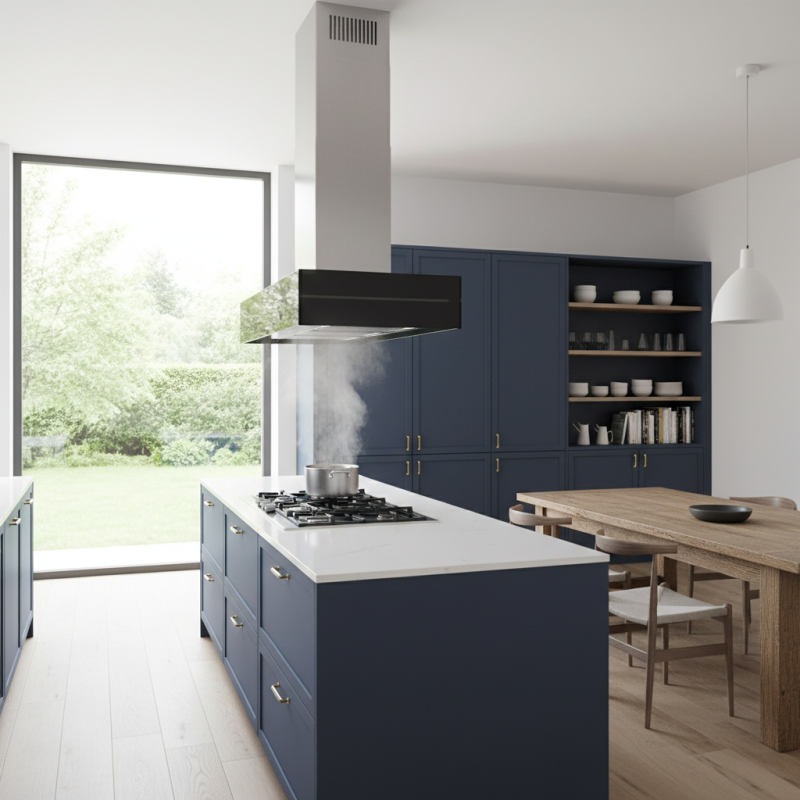
Understanding the Functionality of Kitchen Extractor Hoods
Kitchen extractor hoods play a crucial role in a well-functioning kitchen. They help remove smoke, steam, and odors produced during cooking. According to a report by the U.S. Department of Energy, proper ventilation can improve indoor air quality by up to 50%. This is significant for preventing respiratory issues and maintaining a comfortable cooking environment.
When considering functionality, the power of the hood is vital. Many households prefer hoods with airflow rates between 300 to 600 CFM for optimal performance. However, this doesn't always guarantee effectiveness. Some models may produce noise levels that are disruptive. Research shows that a balance between power and noise is essential. A quieter model may perform less effectively, leading to lingering odors.
Additionally, the design and installation of the hood matter. Not all hoods fit every kitchen layout. For example, a wall-mounted hood works well for some spaces but might not suit others. It's essential to measure your space accurately before purchasing. Ignoring this could result in poor fit and functionality issues. Many overlook how these decisions impact daily cooking experiences.
Types of Kitchen Extractor Hoods: A Comprehensive Overview
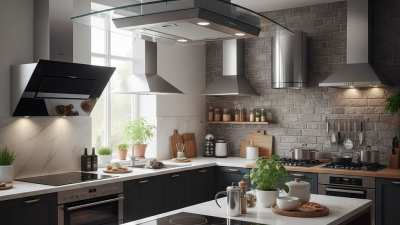
When it comes to kitchen extractor hoods, there are various types to consider.
Wall-mounted models are popular. They mount directly to the wall above your cooking area.
These hoods are powerful and efficient. They can be quite stylish, too, adding a focal point to your kitchen design.
However, they might not suit all kitchen layouts.
Island extractor hoods are another option.
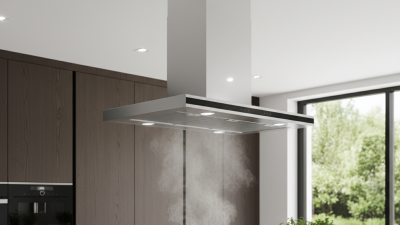
They hang from the ceiling above an island. This type works well in open spaces. It requires careful installation, as proper ventilation is crucial.
On the downside, island hoods may block light. This can make your kitchen feel smaller.
Under-cabinet hoods save space. They fit snugly beneath kitchen cabinets.
These hoods blend in nicely. Yet, some users find their suction power limited.
They may struggle in larger kitchens. Another choice is ductless models.
They filter air and recirculate it back. This option is easier to install.
Still, ductless systems require frequent filter changes, which can be a hassle.
Key Features to Consider When Choosing an Extractor Hood
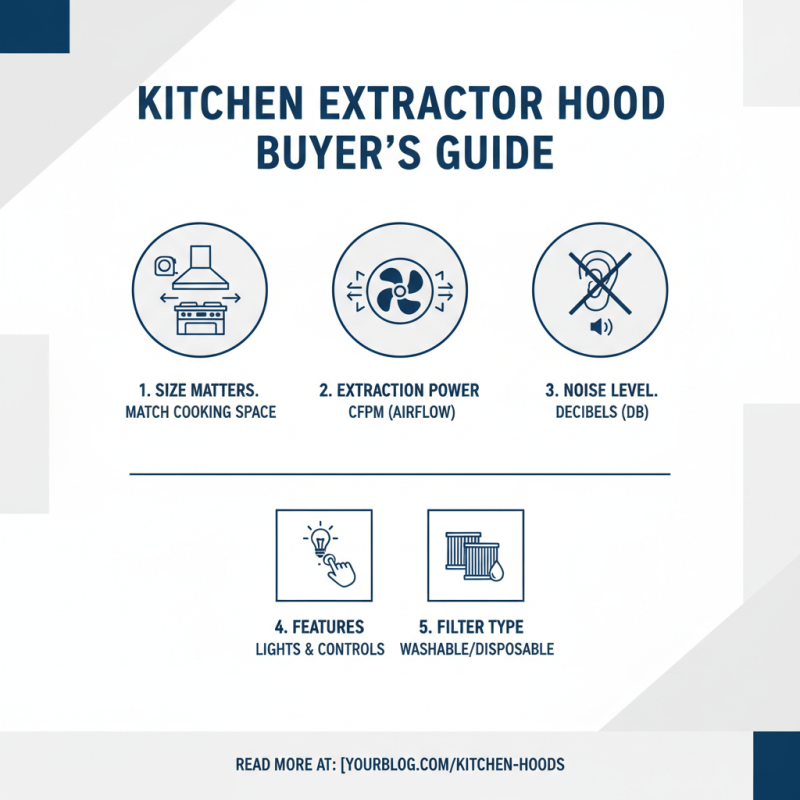
When selecting a kitchen extractor hood, several key features demand your attention. First, consider the size. It should match your cooking space. A hood that’s too small won’t effectively remove smoke. A large hood might overpower a compact kitchen, making it feel cramped. Measurement is essential here.
Next is the extraction rate. This is measured in cubic meters per hour (m³/h). A higher rate often leads to better performance. For active cooks, aim for around 600 m³/h. However, if your cooking is minimal, a lower rate might suffice. Keep noise levels in mind, too. Some models can be surprisingly loud. Quiet operation can enhance your cooking experience.
Lastly, filter type and maintenance are important. Stainless steel filters are durable and easy to clean. Aluminum filters, while effective, may require more frequent replacement. Regular checks can lead to better functionality. As you weigh these options, consider your lifestyle. Do you often cook elaborate meals? Your extractor hood should work hard for you. If not, a simpler model may be more fitting. Reflect on your cooking habits to ensure your choice makes sense over time.
Sizing Your Kitchen Extractor Hood for Optimal Performance
When choosing a kitchen extractor hood, sizing is crucial. A hood that’s too small may not effectively capture smoke, steam, and odors. This can lead to a stale kitchen environment. Ideally, your extractor hood should match the size of your cooking area. Measure the dimensions of your stove and the surrounding space. An effective hood covers the stove's width and extends a few inches past the edges.
Another factor to consider is the height at which the hood is installed. It should be positioned securely above the stove for optimal performance. Common recommendations suggest a height of 24 to 30 inches above the cooktop. This height allows it to function correctly while ensuring safety. Don’t forget the airflow capacity, often measured in CFM. It should meet your cooking style. Cooking more often generates more smoke and grease, requiring a more powerful hood.
Keep in mind that aesthetics also matter. A big, powerful hood in a small kitchen can feel overwhelming. You might face challenges with noise levels as well. Some models are much louder than others. Finding the right balance between effectiveness and comfort might take time. You may need to try a few options to get it right. The right fit not only cleans your air but also complements your kitchen’s design.
Installation and Maintenance Tips for Kitchen Extractor Hoods
When installing a kitchen extractor hood, ensure proper positioning above the stove. It should fit comfortably between 24 to 36 inches above the cooking surface. This height allows effective extraction of smoke and odors. If the hood is too high, it won't capture steam properly. Too low, and it obstructs your cooking.
Regular maintenance is equally important. Clean the filters every month to keep air quality high. Greasy filters can affect performance significantly. Don't wait until they are completely clogged. Regularly check for any signs of wear or damage. Addressing issues promptly prevents costly repairs.
Keep the ductwork clean and clear of debris. Consider using insulated ducts, especially in colder climates. This helps maintain airflow efficiency. Remember, a little attention goes a long way. Over time, you may find that tasks like cleaning become routine, but staying proactive benefits your kitchen in the long run.